



How to Experience Colombo Like a Local
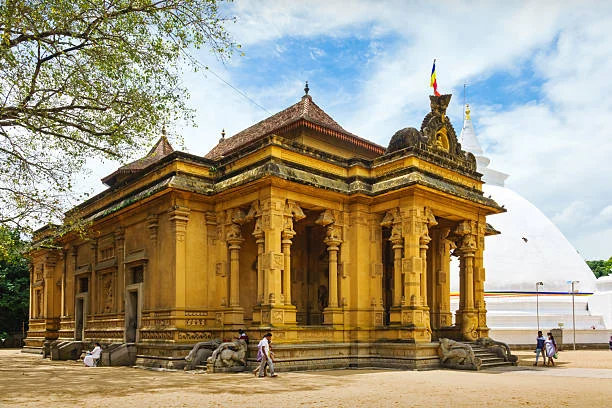
Forget the sights. This is where locals actually live: the neighbourhoods, the food carts, the endless cups of tea, and how you move through the morning hours.
Colombo has four core neighbourhoods: Fort (the historic heart), Pettah (the street market quarter), Cinnamon Gardens (a leafy suburb), and Slave Island (a multicultural district). Real Colombo doesn't live in the guidebook highlights—it lives in how you move through these zones, what you eat standing up, and which tuk-tuk driver becomes your regular. To truly understand this city's spirit, you need to eat like a local—in noisy markets, at roadside stalls, and with your fingers.
This guide is ordered by how you'd live through the day: where locals sleep and work, how they travel, where they eat at each hour, and what the evening actually looks like. Most visitors arrive and leave in hours. The ones who linger—three days minimum—find that the same streets look completely different depending on what time you're moving through them.
Start in Slave Island
Colombo 2 · Multicultural neighbourhood with murals and street life · Best for early mornings and weekday afternoons
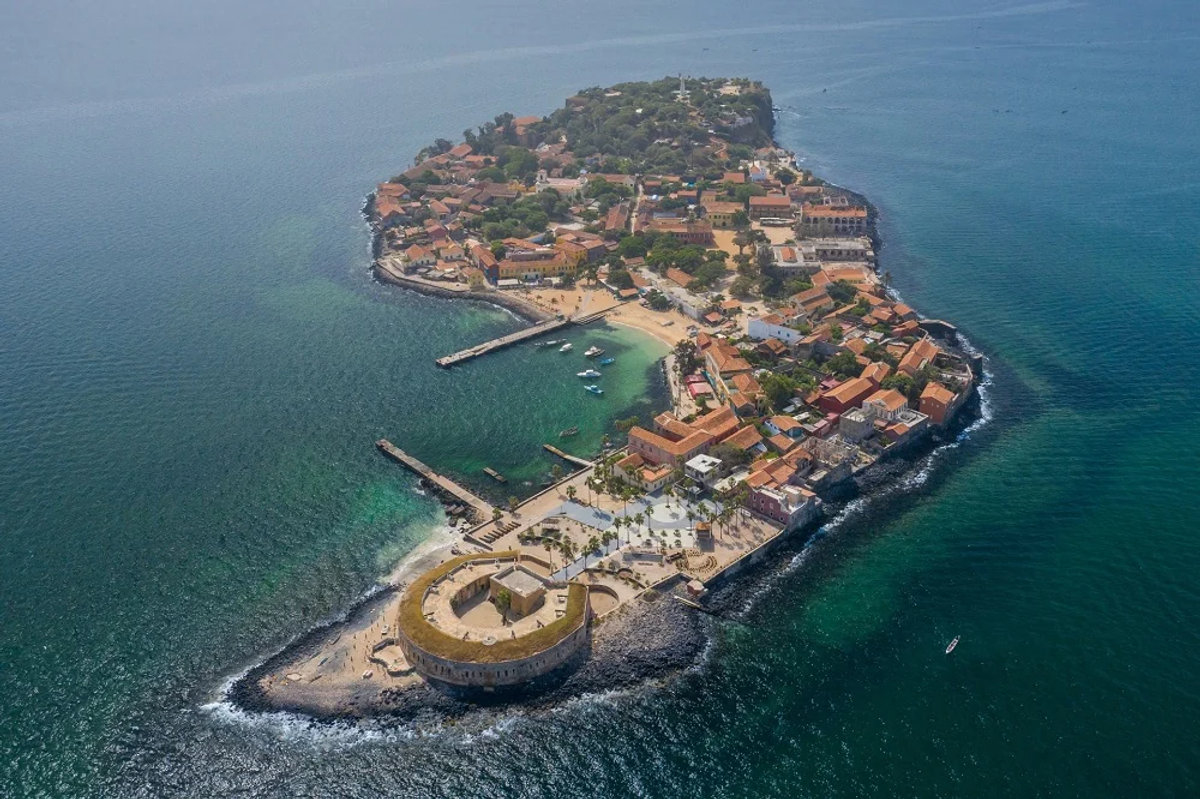
Photo: https://share.google/oSFzZ95j5HnS556XI source
Slave Island felt like the most local neighbourhood in Colombo, with a down-to-earth charm that explodes with quirky character. This is where residents live, not where tourists end up. One of the coolest things about the area is all the pigeon keepers, who often release their birds so they can stretch their wings, knowing they'll find their way home. Walk Galle Face Green at 6 am and you'll see the same runners every morning. Sit at a roadside café and you'll hear everyday Colombo—not a performance of it.
Breakfast: Read the Time by What You Eat
Multiple locations across the city · Street food, bakeries, tea shops · Hours vary; 6am to 10am is the window
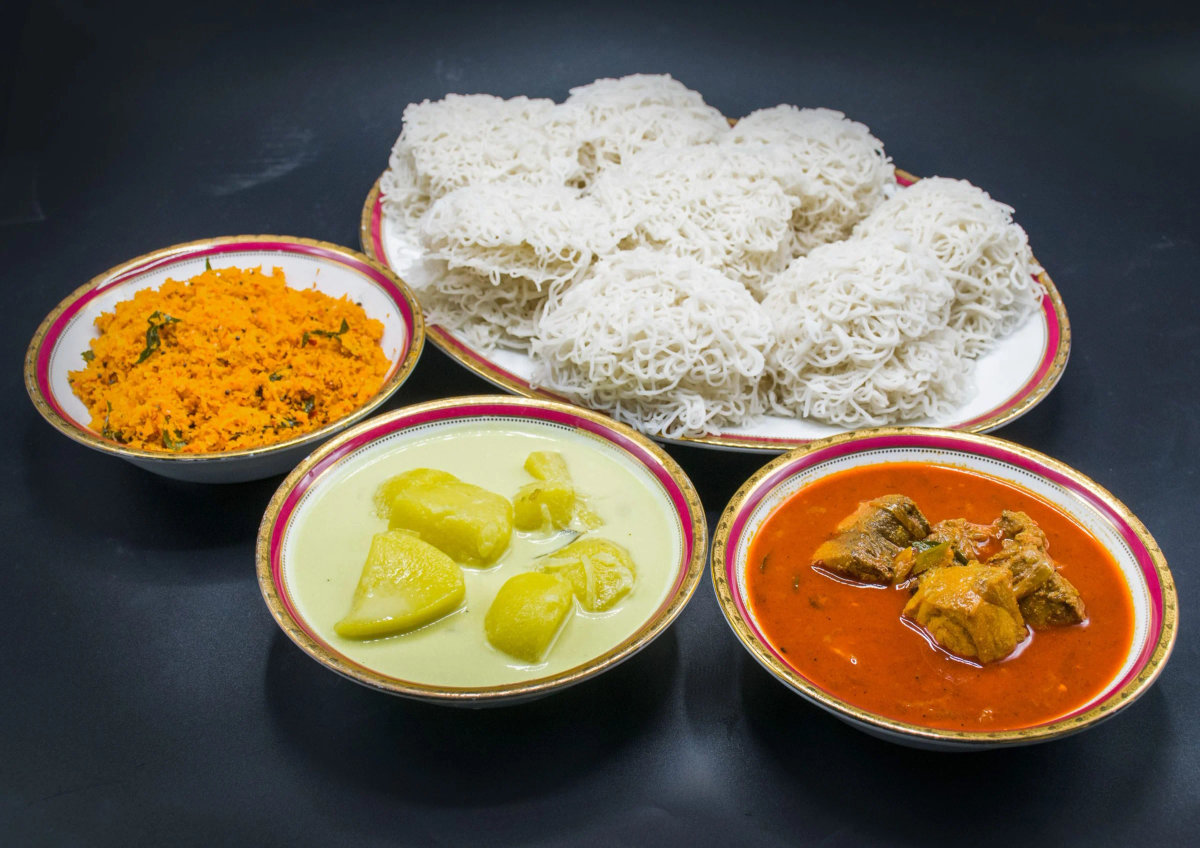
Photo: https://share.google/SD02uyPF5SidLJUif source
String hoppers make up an important part of a Sri Lankan breakfast and are prepared from steamed rice noodles molded into flat spirals, traditionally served with coconut sambol and Dhal. There's hardly a more delicious way to start your morning than with some string hoppers and a cup of black tea. Along Galle Road numerous restaurants serve local cuisine treats including string hoppers, many eateries filled with locals, particularly the Green Cabin, rumored to have some of the best hoppers around. Don't go to a tourist café. Go where the city's tradespeople are eating.
Navigate by Neighbourhood Numbers
City-wide · Understanding the grid · Essential for taking tuk-tuks and finding your way
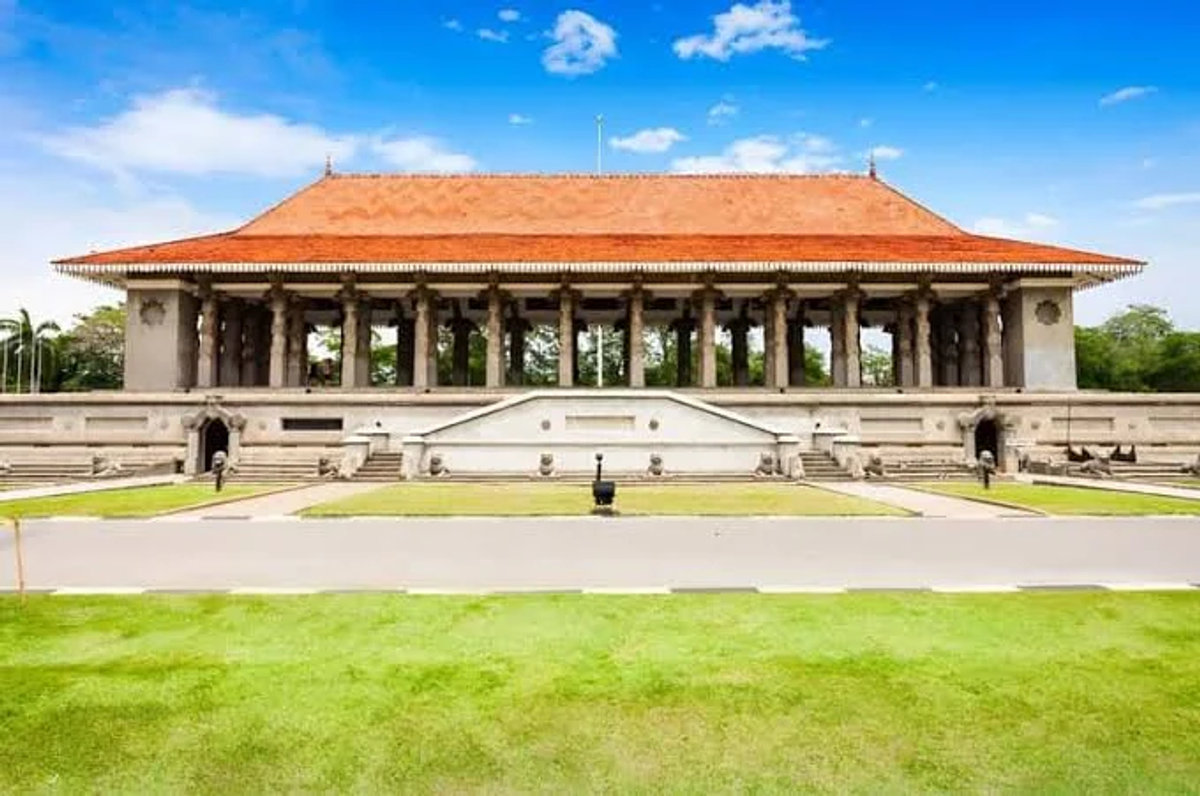
Photo: https://share.google/Wc9DUMcHhQUvjwZpw source
Colombo's neighbourhoods are given numbers (from Colombo 1 to 15), and knowing the number of the area you want to visit helps when taking tuk-tuks. Base yourself in Colombo 3 (Kollupitiya) for convenience and access to restaurants and Galle Face, or Colombo 7 (Cinnamon Gardens) for a quieter, more residential atmosphere. Locals navigate by numbers, not landmarks. Once you ask for Col 2 or Col 7 instead of street names, you sound like you actually live here.
Get Around: Buses and Tuk-Tuks
City-wide · Public and private transport · Cheap, immediate, requires negotiation
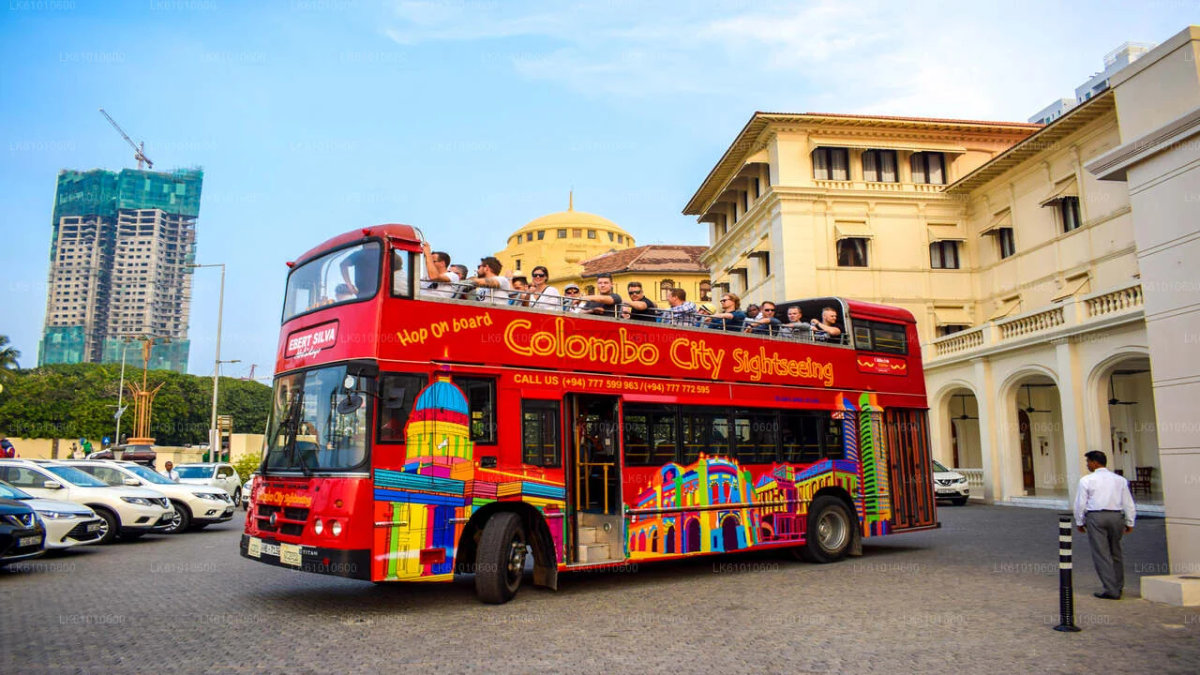
Photo: https://www.google.com/imgres?imgurl=https%3A%2F%2Flakpura.com%2Fcdn%2Fshop%2Fproducts%2FLK61010600-07-E-1280-720.jpg%3Fv%3D1624085114%26width%3D1445&tbnid=S-ar6OQmmiefDM&vet=1&imgrefurl=https%3A%2F%2 source
Bus service is quite affordable, with fares starting from as low as 10 LKR, though buses can be crowded, especially during peak hours. City buses are divided into red state buses and blue private buses; red buses are considered safer by locals, cheaper, and less crowded. Most tuk-tuks in Colombo have meters, and a tuk-tuk should cost around 200 LKR per km. Tuk-tuks are easy to hail and can navigate through traffic efficiently. Locals use PickMe app for rides; tourists negotiate manually.
Morning Market: Pettah Before Noon
Colombo 11 · Wholesale and street market district · Go early, leave by noon

Photo: https://share.google/QcDj1Vdm9ey5lub6N source
Pettah is Colombo's loudest and most colourful neighbourhood where you get lost wandering through busy streets, distracted by the bright colours of fruit stalls and thick smells of spices, darting out of the way of heavy carts pulled by rushing locals—it captures the essence of Sri Lankan chaos. Adjacent to Fort, Pettah is the wholesale and street-market district with individual streets specialising in specific goods—electronics, fabric, spices, hardware, fresh produce. Arrive before 10 am if you want to move comfortably through the lanes.
Lunch: Where Locals Actually Eat
Pettah, Galle Road, Marine Drive · Rice and curry, kottu roti, hoppers · Noon to 2pm is peak
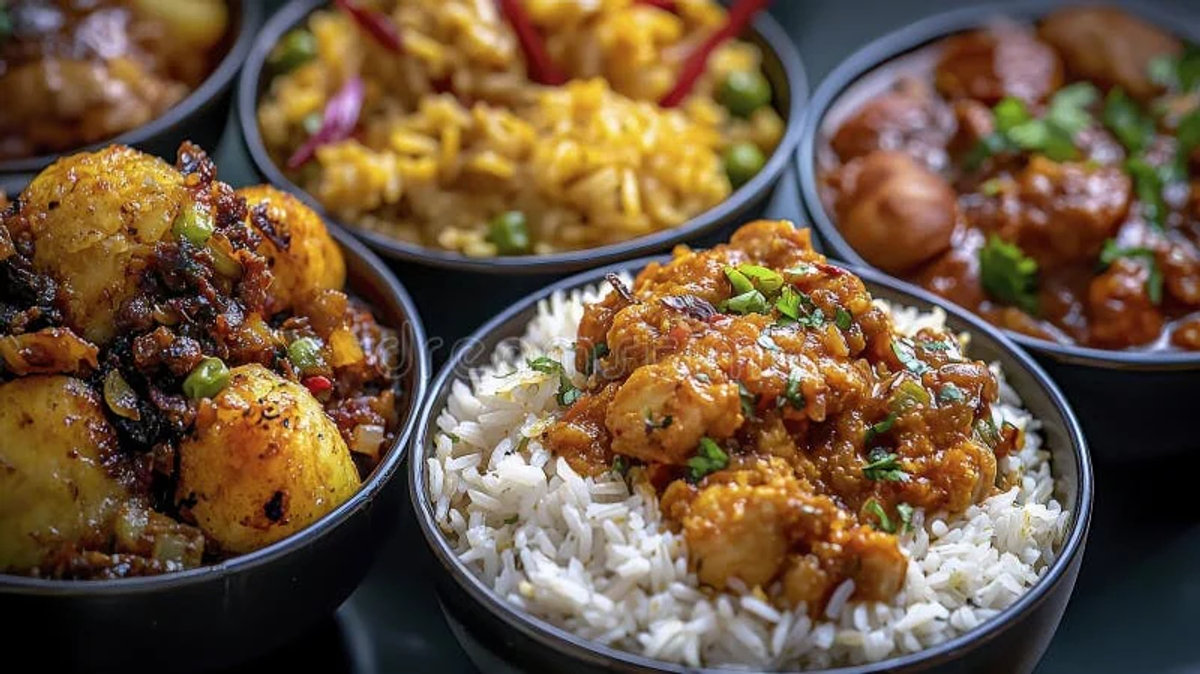
Photo: https://www.google.com/imgres?imgurl=https%3A%2F%2Fthumbs.dreamstime.com%2Fb%2Fdelicious-sri-lankan-rice-curry-spread-lanka-food-photography-vibrant-kitchen-close-up-culinary-experience-explore-flavor source
Sri Lankan rice and curry isn't just one curry; it's the perfect way to try a few different types in one delicious dish—white or red rice steamed with coconut milk, accompanied by a selection of different curries like fish, chicken, vegetable, and egg. You can buy rice and curry from street vendors in places like Galle Face Green or the bustling lanes of Pettah. Look for busy food carts with fresh preparations, multiple colorful curries displayed in clay pots, and a strong aroma of spices—plenty of locals eating there during lunch is a good sign.
Afternoon Tea Culture
Cinnamon Gardens (Col 7), Galle Road (Col 3) · Bakeries and cafés · 3pm to 5pm
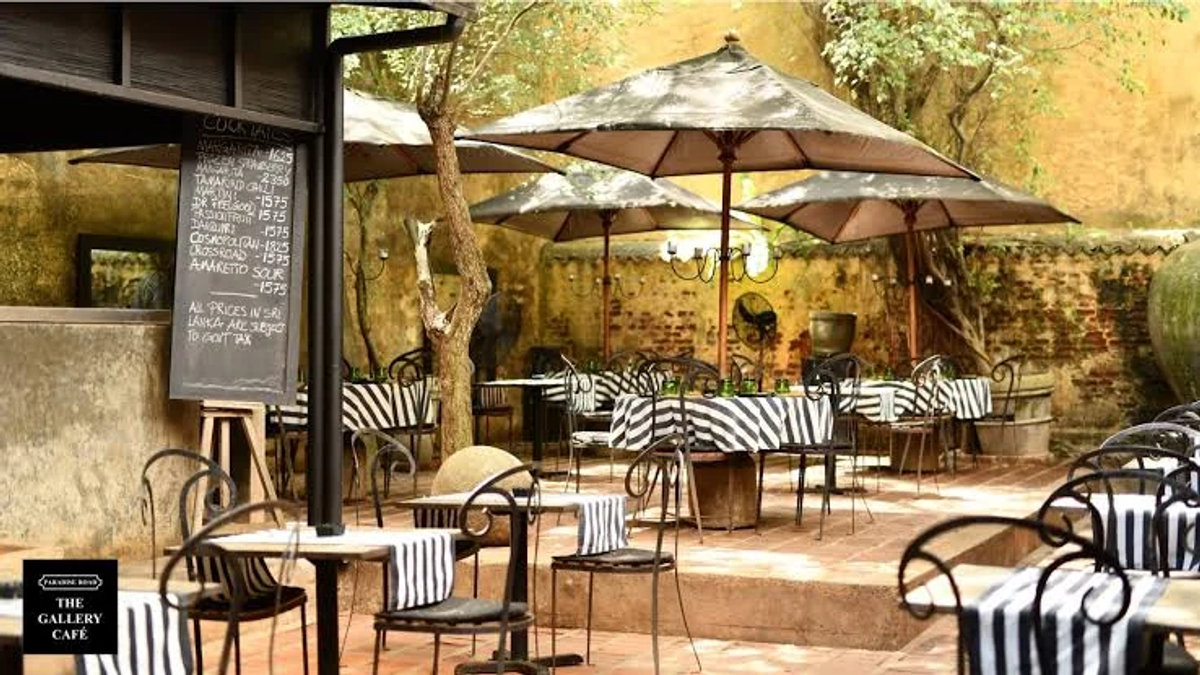
Photo: https://share.google/AgOk1GoYxKhFtLSlR source
Colombo has a thriving café scene where locals gather for coffee and conversation. Exploring hidden cafés in neighbourhoods like Cinnamon Gardens or along Galle Road allows you to experience the city's slower pace away from tourist-heavy spots. Look for locally loved bakeries or artisan coffee shops—many have been around for decades. The Colombo café culture has expanded significantly over the last decade, with Col 3 and Col 7 being the best neighbourhoods to find specialty coffee, craft cocktails, and internationally influenced menus.
Galle Face Green: The Evening Routine
Colombo 3 · Seafront esplanade · Golden hour through sunset, 5pm to 8pm

Photo: https://share.google/tL5oF5lkVCfAeDUVR source
This long seafront esplanade runs south from Fort along the Indian Ocean shore. In the evenings it fills with families, kite-fliers, and food vendors selling isso wade (prawn fritters) and kottu roti. Walking along the scenic Galle Face Green gives a perspective tourists rarely enjoy, and observing daily routines from morning jogs by the seaside to evening cricket games adds layers to your understanding of the city. This is where the whole city comes—not tourists, residents.
Dinner: Neighbourhood Restaurants
Colombo 3, 4, 5, 6, 7 · Local restaurants, no-fuss spots, family-run eateries · 7pm to 10pm

Photo: https://share.google/9P04ncb5o9cCDJnOl source
The Hotel de New Pilawoos is a no-fuss restaurant frequented by numerous locals where visitors can sample one of the city's best kottu rotis for next to nothing, enjoying an eating experience that will surely be remembered. Locals don't eat in the Galle Face area after dark—they go to neighbourhood places where the owner knows them. Colombo blends diverse culinary influences—Sinhalese, Tamil, Malay, Moor, Dutch, and Portuguese—resulting in a food culture that's rich, vibrant, and uniquely local.
Evening: Roadside Tea Shops and Conversation
Slave Island, Cinnamon Gardens, residential areas · Small tea shops (cyver kades) · 8pm to 11pm
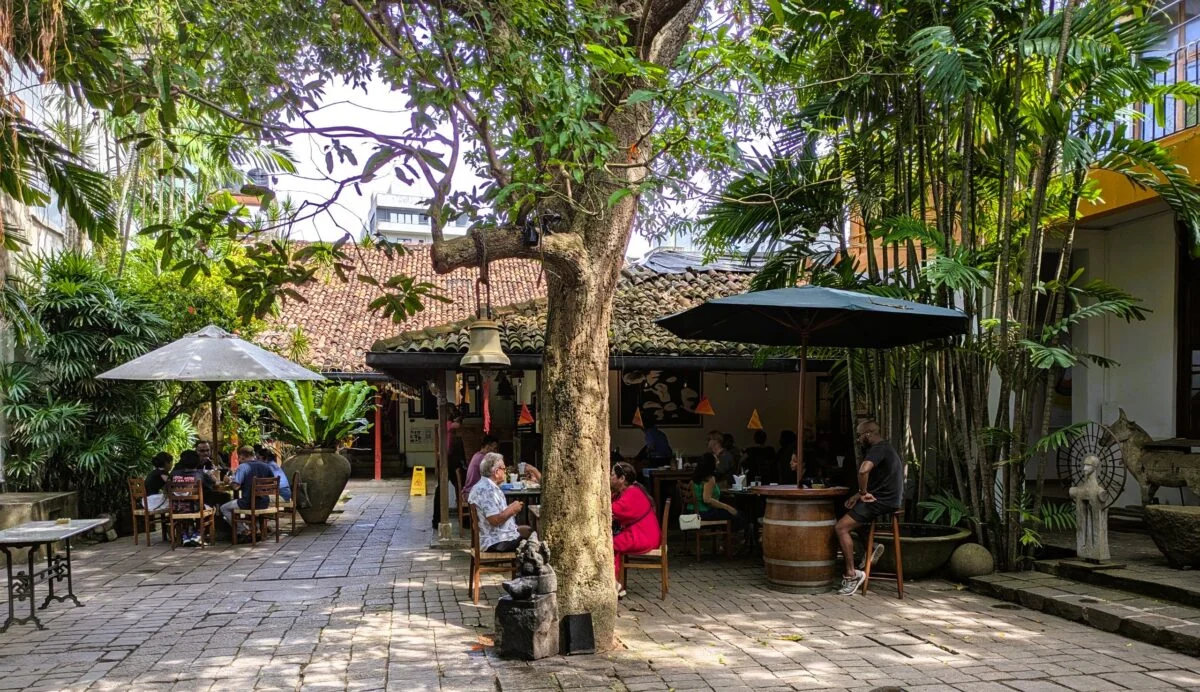
Photo: https://share.google/kBBUr4Dm13Ww2DRA7 source
Condensed Milk Tea is a speciality in roadside shops (locally known as cyver kades), a rich, sweet take on Ceylon milk tea. Locals usually end their late nights with friends at one of these small shops where you can have a seat and ruminate on life. Skip the nightclubs and tourist bars. This is where Colombo actually settles into evening—the sound of tea being poured, the murmur of neighbours, the slow rhythm that only happens away from the main roads.
Share this article
Comments
Sign in to join the conversation. Only registered users can comment.
No comments yet. Be the first.