



25 Essential Colombo Travel Tips for First-Time Visitors
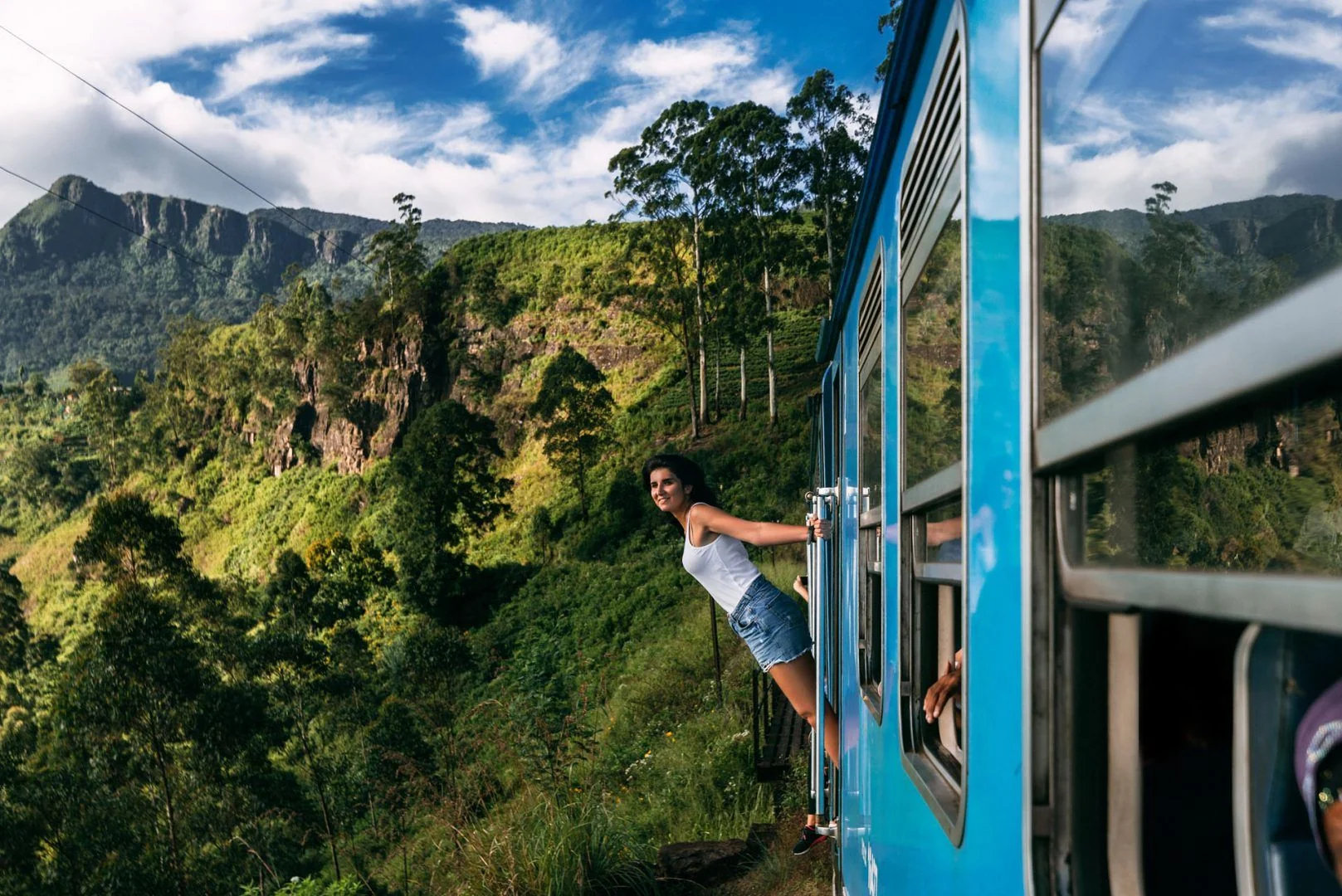
Master money, tuk-tuks, temples, and the rituals that separate tourists from travelers before you arrive.
Colombo rewards preparation. The city moves at its own pace, prices shift without announcement, and a misunderstanding about shoe removal at a temple or the meter on a tuk-tuk can derail an entire day. What follows are 25 things you need to know before your first morning here, ordered by the urgency with which they'll affect your trip: money first, because you cannot move without it; transport second, because you will move constantly; then the cultural moves that separate someone simply passing through from someone who actually arrives.
This is a cash-based city outside tourist hotels and major chains. Cards exist here, but they are not reliable. ATMs work, but Sri Lankan rupees in your pocket matter more. Tuk-tuks expect cash, the best street food vendors take only cash, and the temples you visit operate on cash donations. The other immediate problem is that Colombo tuk-tuk drivers will overcharge you without hesitation—it is a known issue, not a rarity—so what you negotiate at the start of the ride is what you will pay. Everything else flows from these two facts: know what rupees cost, and settle the fare before you sit down.
Exchange money at licensed changers, not the airport
Bandaranaike International Airport or Fort District · currency exchange · 2–5% better rates downtown

Photo: https://share.google/rYKSHFNeihhuBELAs source
Licensed money changers found throughout Colombo (especially along York Street in Fort) typically offer the best rates, often 2-5% better than banks. The convenience of exchanging currency at airports and hotels often comes at a price. Exchange $50–100 USD on arrival for immediate transport, then head downtown.
Carry small rupee notes, not large ones
Colombo · cash handling · Rs.100, Rs.500, Rs.1,000 denominations
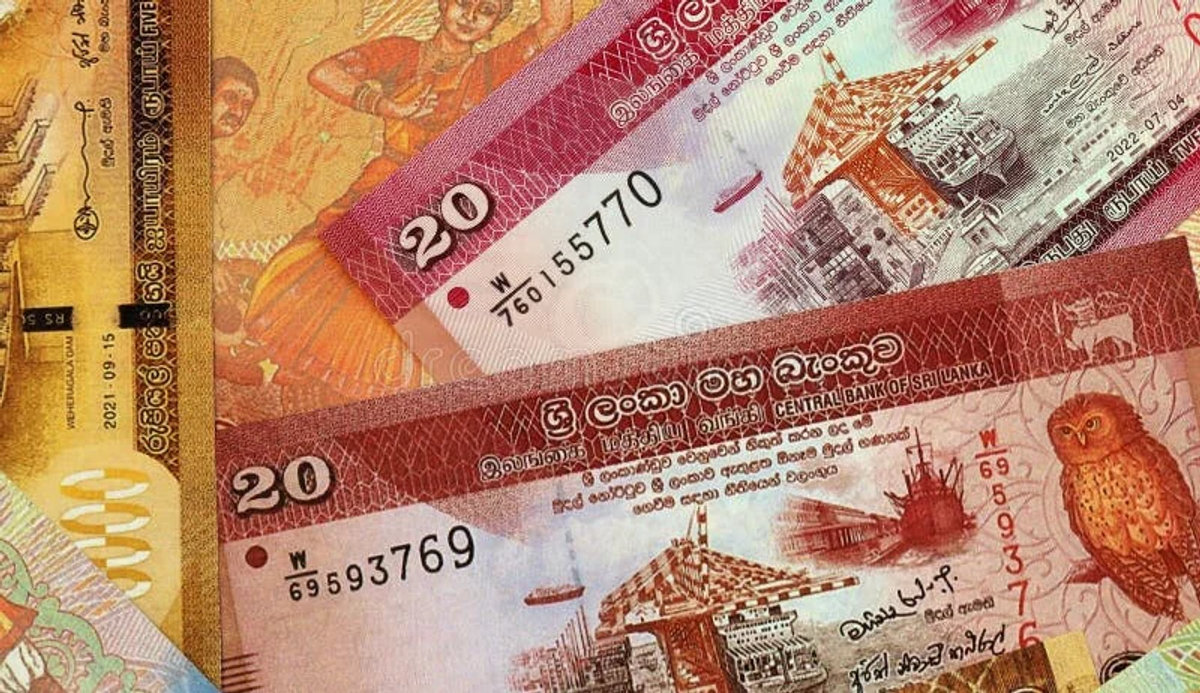
Photo: https://share.google/NvlExz8HGx55RV3FP source
It is wise to carry a mix of smaller denominations (Rs.100, Rs.500, Rs.1,000) since many vendors and drivers struggle to break larger Rs.5,000 notes. Tuk-tuk drivers will claim they have no change; smaller notes eliminate this excuse and the awkward negotiation that follows.
Agree on the tuk-tuk fare before you sit down
Colombo city · transport · non-negotiable rule

Photo: https://share.google/nVjRMPo2fyEuGq3Iv source
Tuk-tuk drivers are pretty honest, except in Colombo, where they will try to scam and overcharge you. Be sure to agree on the fare in advance and choose licensed drivers to avoid surprises. This is not negotiable—it is the price of entry.
Use PickMe app instead of street tuk-tuks
Colombo · ride-hailing app · transparent metered fares
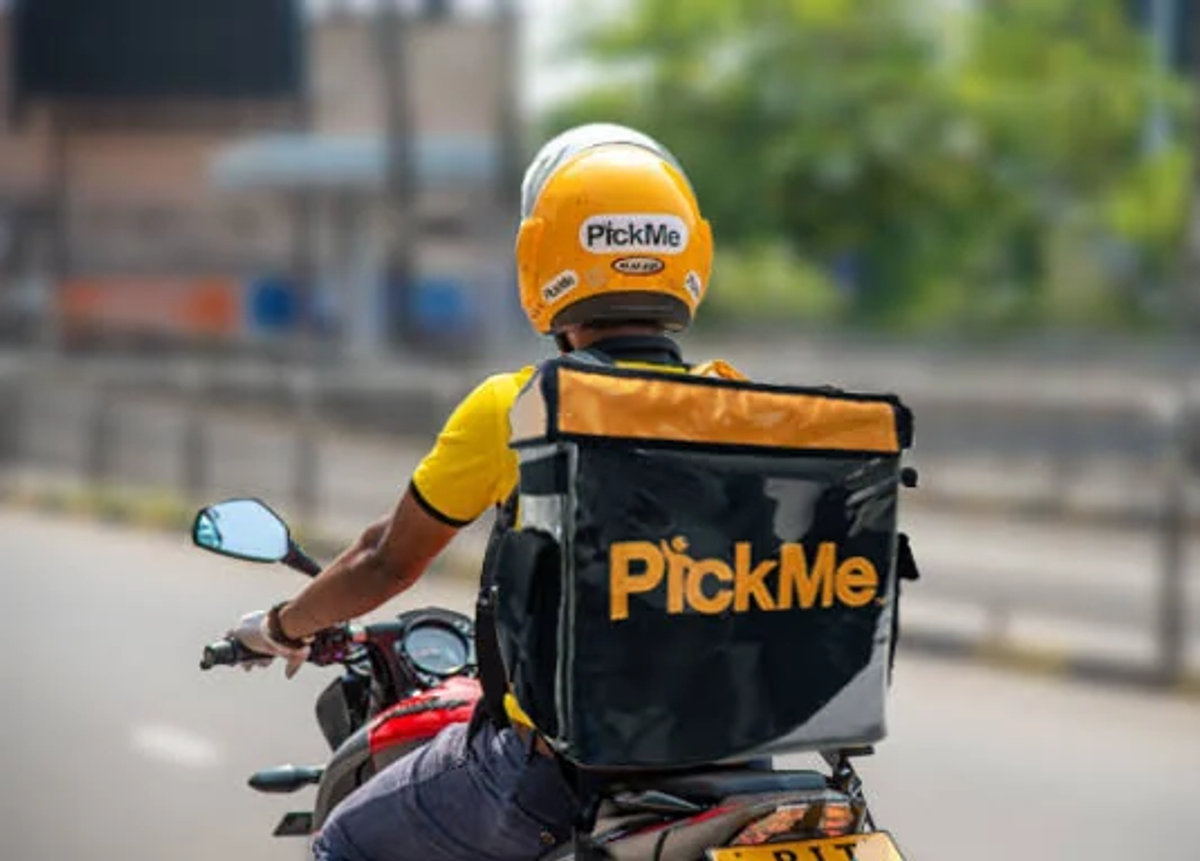
Photo: https://share.google/Cg8CZ7dgvC1KIop0s source
Rideshare apps like PickMe or Uber are available and reliable in Colombo, offering transparent pricing and the ability to track your ride in real time. PickMe offers the cheapest formal taxi option with transparent metered fares. Download it before arrival.
Most tuk-tuks in Colombo have working meters
Colombo · transport regulation · LKR 100 first km, LKR 80-100 per km
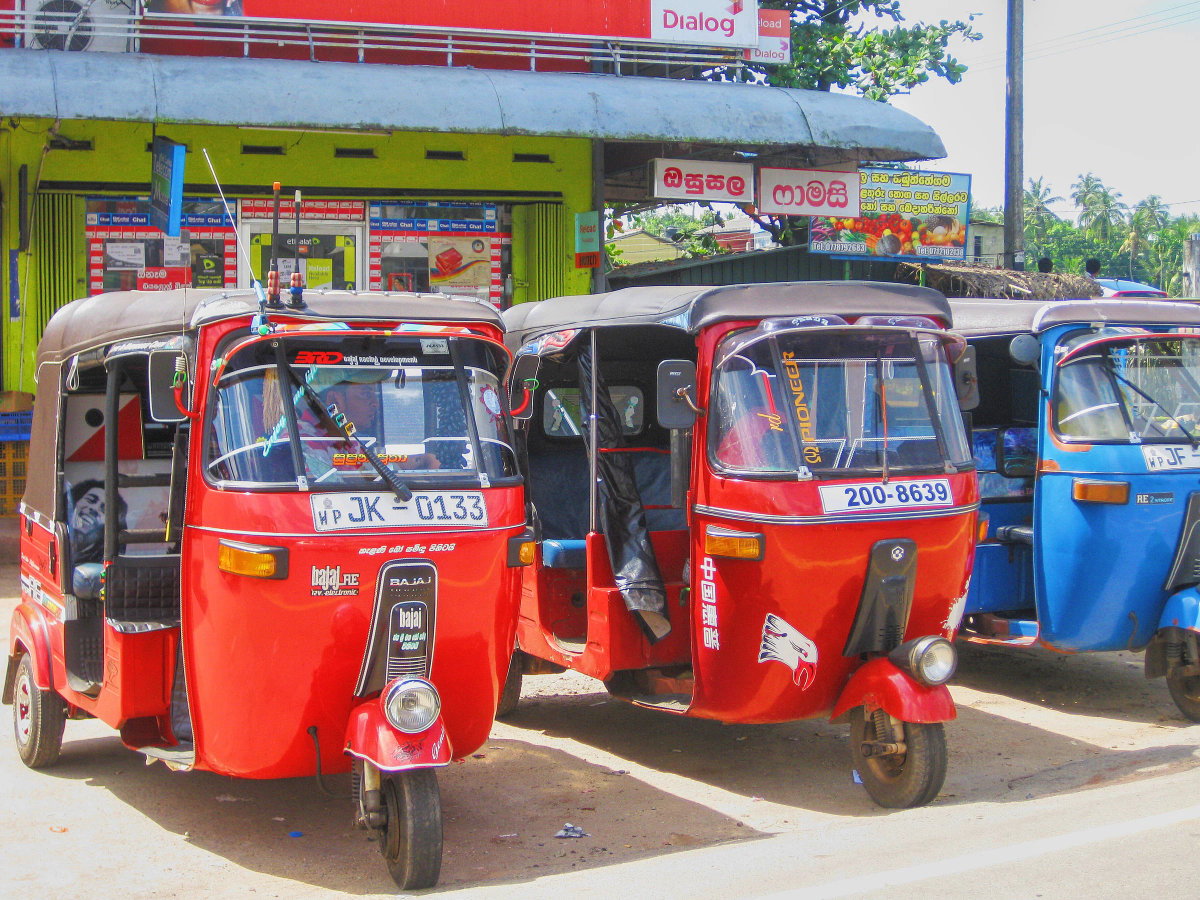
Photo: https://share.google/tkZv77juJ85Doqccm source
By law, all tuk tuks in Sri Lanka are supposed to have meters. In Colombo and other major cities, metered rides are common. The approximate metered rate as of 2026 is around LKR 100 for the first kilometre, and LKR 80-100 per kilometre after that. Ask the driver to turn it on.
Take the blue Colombo Express Bus from the airport
Bandaranaike International Airport to city · bus · cheapest and easiest option
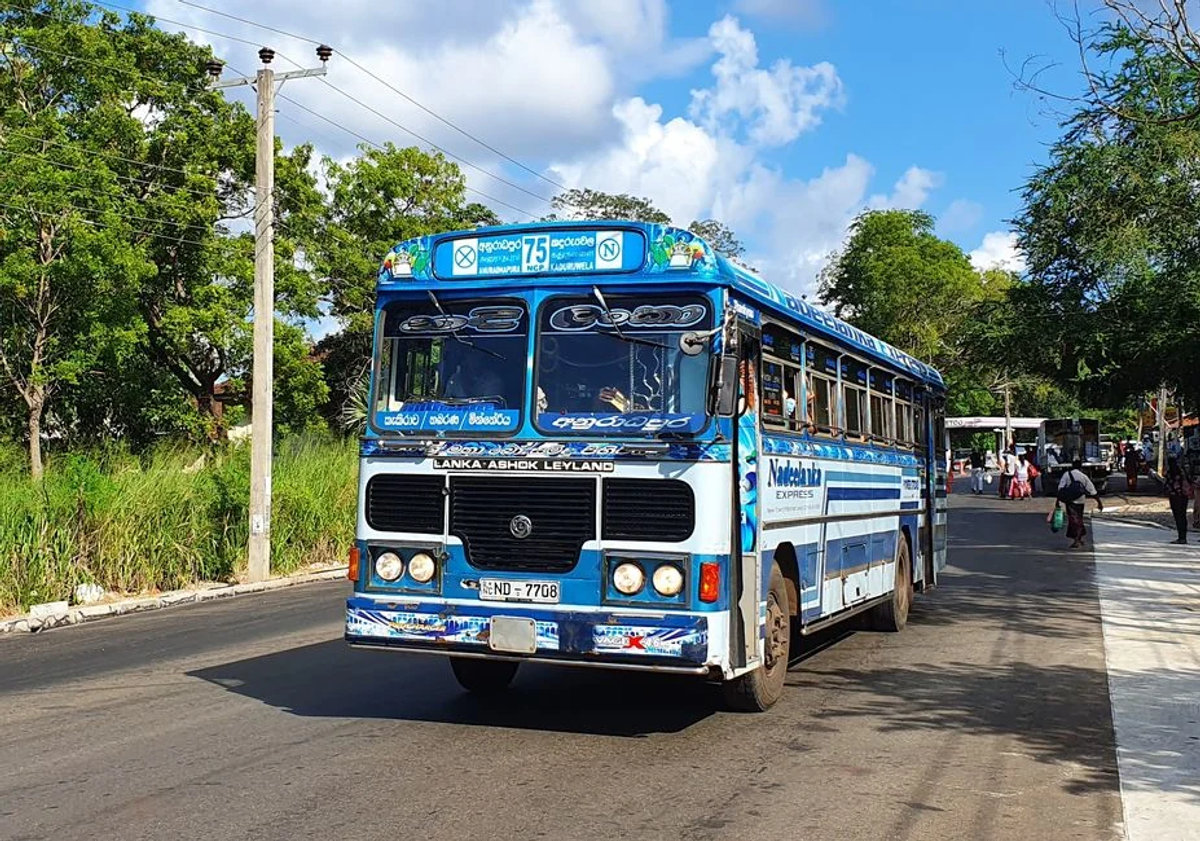
Photo: https://share.google/BVOncwBiUFOAx6hDM source
You'll most likely be flying in and/or out of Colombo. The blue Colombo Express Bus is the cheapest and easiest way to get from the airport to the city center. This is the first decision you make, and it will save money and stress.
Poya Days are full moon public holidays with no alcohol
Colombo and island-wide · religious observance · alcohol prohibited
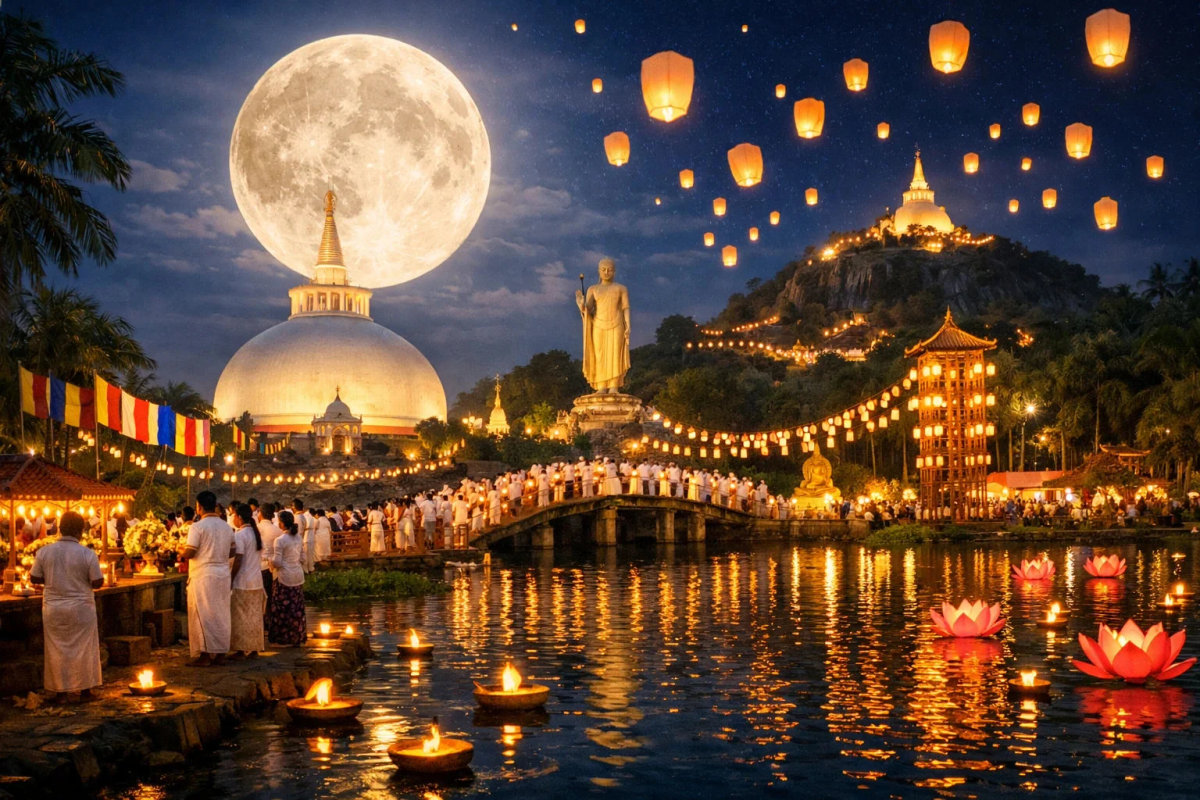
Photo: https://share.google/4g6a5le6x6fTNqS1c source
Every full moon (Poya Day) is a public holiday. Shops close, and alcohol sales are prohibited nationwide. Check the lunar calendar before your trip and plan social plans around these dates, not on them.
Get a local SIM card on arrival
Bandaranaike International Airport or any telecom shop · connectivity · readily available
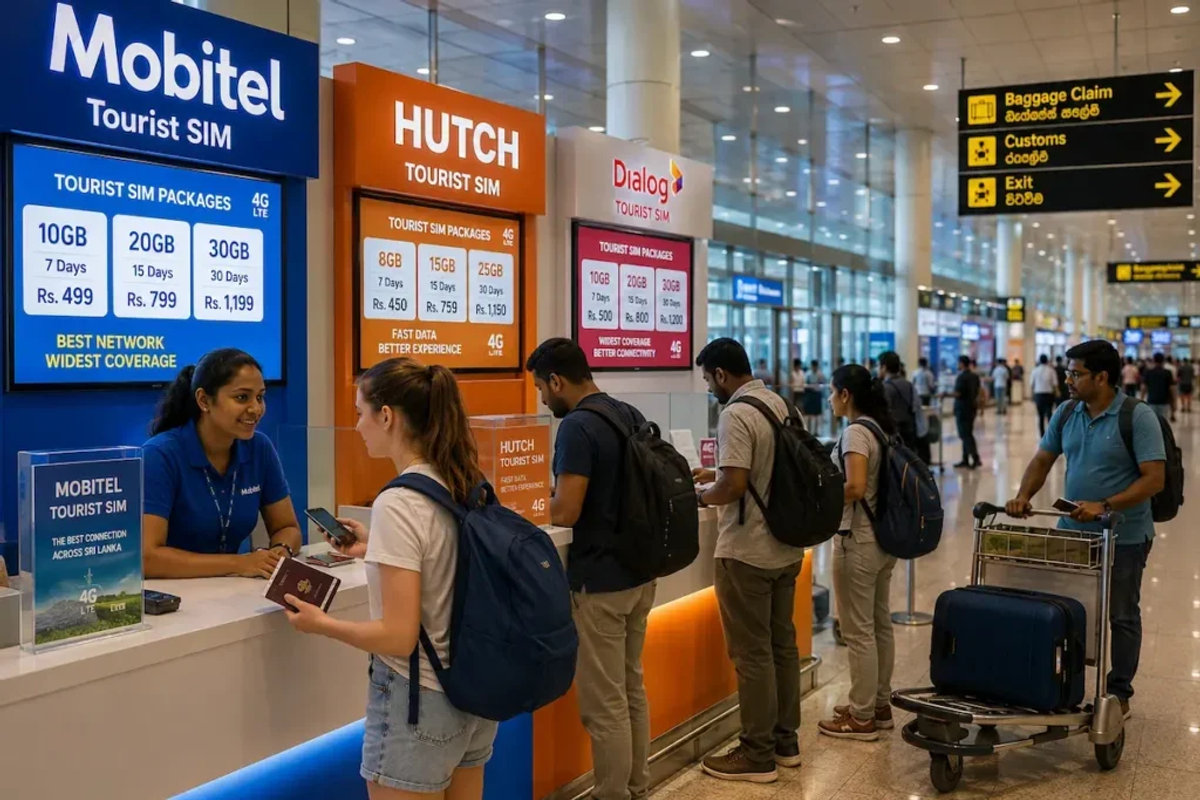
Photo: https://share.google/zSa2MpCPP6QgNrwIe source
Getting a local SIM card is one of the easiest things you can do on arrival. Mobile data is often faster than hotel WiFi. Buying a SIM for your mobile phone is easy, as they are readily available and brightly advertised from many outlets, including the airport on arrival.
Dialog and Mobitel data outperforms hotel WiFi
Colombo · mobile networks · 4G coverage across city
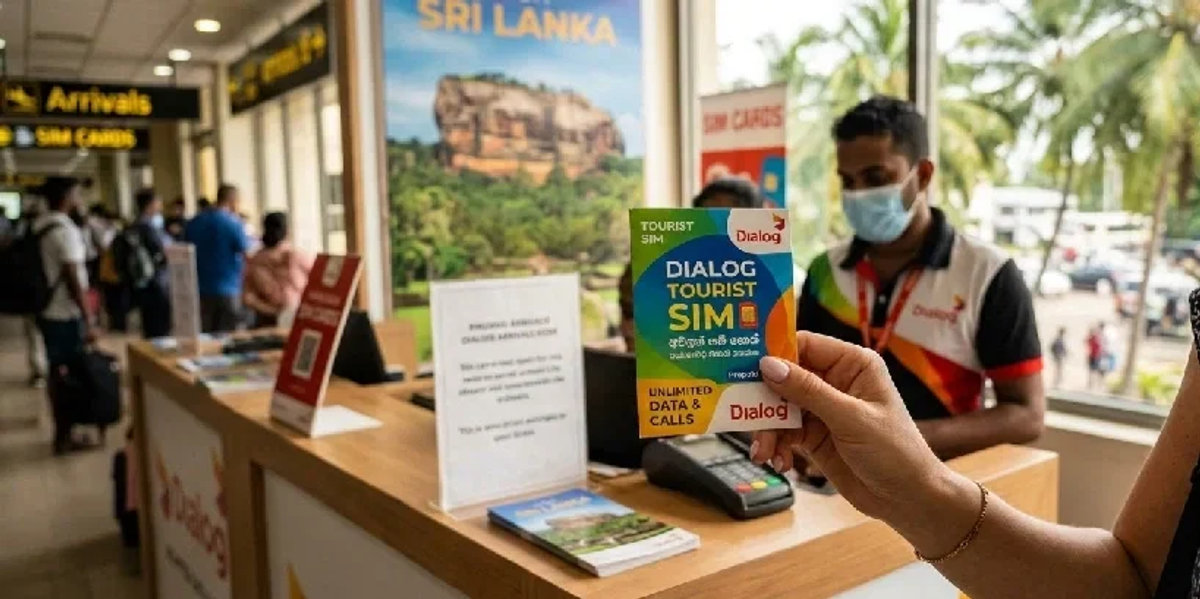
Photo: https://www.google.com/imgres?imgurl=https%3A%2F%2Fpyt-blogs.gumlet.io%2F2026%2F09%2FNew-Project-96.webp%3Fauto%3Dformat%26ixlib%3Dphp-3.3.0&tbnid=heMuPi53JzujkM&vet=1&imgrefurl=https%3A%2F%2Fpickyour source
A Dialog or Mobitel SIM with a decent data package will outperform hotel WiFi in roughly seven out of ten situations across Sri Lanka. Colombo has reliable 4G and good cafes for working. Treat mobile data as your primary connection.
Dress modestly outside tourist areas and beaches
Colombo neighborhoods · cultural etiquette · shoulders and knees minimum
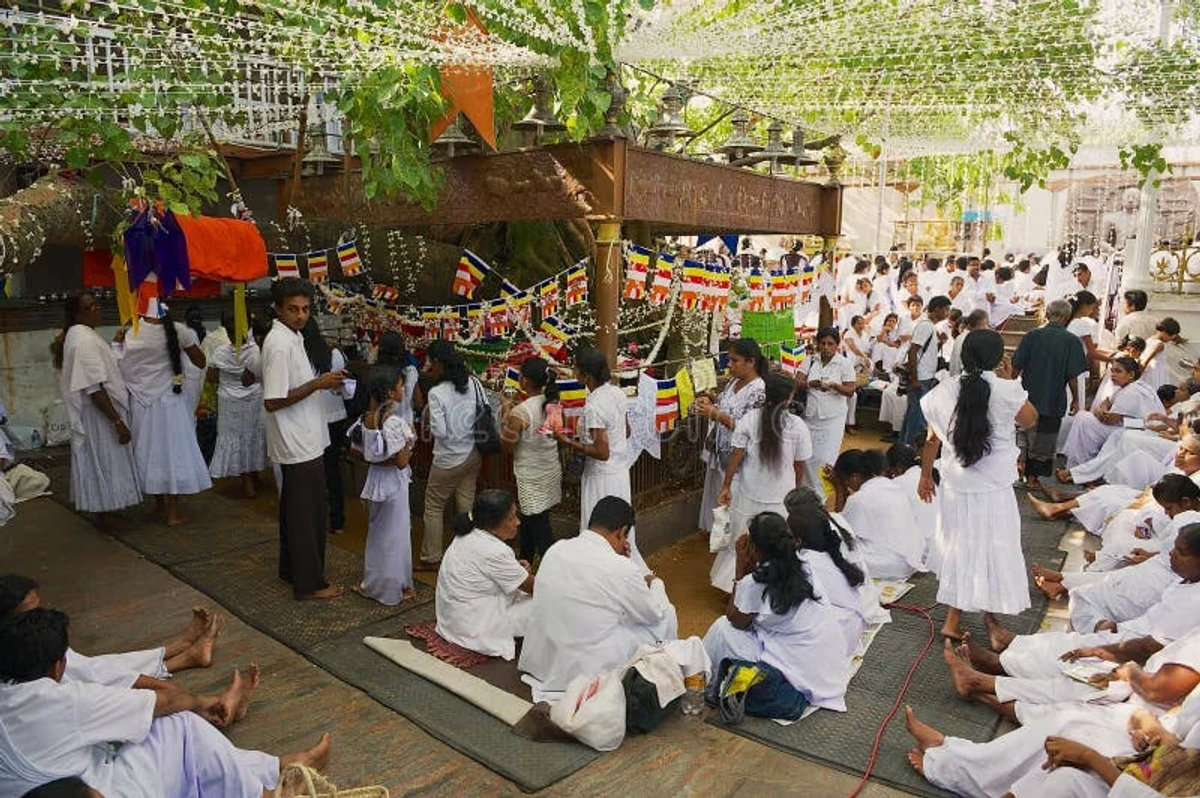
Photo: https://www.google.com/imgres?imgurl=https%3A%2F%2Fthumbs.dreamstime.com%2Fb%2Fpeople-celebrate-vesak-religious-festival-buddhist-temple-colombo-sri-lanka-may-unidentified-97416223.jpg&tbnid=C6JUYPwyL source
Dressing modestly is key, particularly in rural and religious areas. Respecting these norms shows cultural sensitivity. You should wear clothes that are not too short. This will help you blend in without drawing unnecessary attention. Tank tops and shorts are tolerated by locals but noted.
Cover shoulders and knees at temples
Religious sites island-wide · temple dress code · enforced rule

Photo: https://share.google/mACfZNJdD6G3KqHme source
Everyone must conceal their arms down to their elbows, and only skirts and shorts that are below the knee level are accepted in these religious sites. Have a sarong and a light shirt with you at all times. Enforcement is real; refusal means entry denied.
Remove shoes and hats before entering temples
All Buddhist and Hindu temples · mandatory ritual · respect
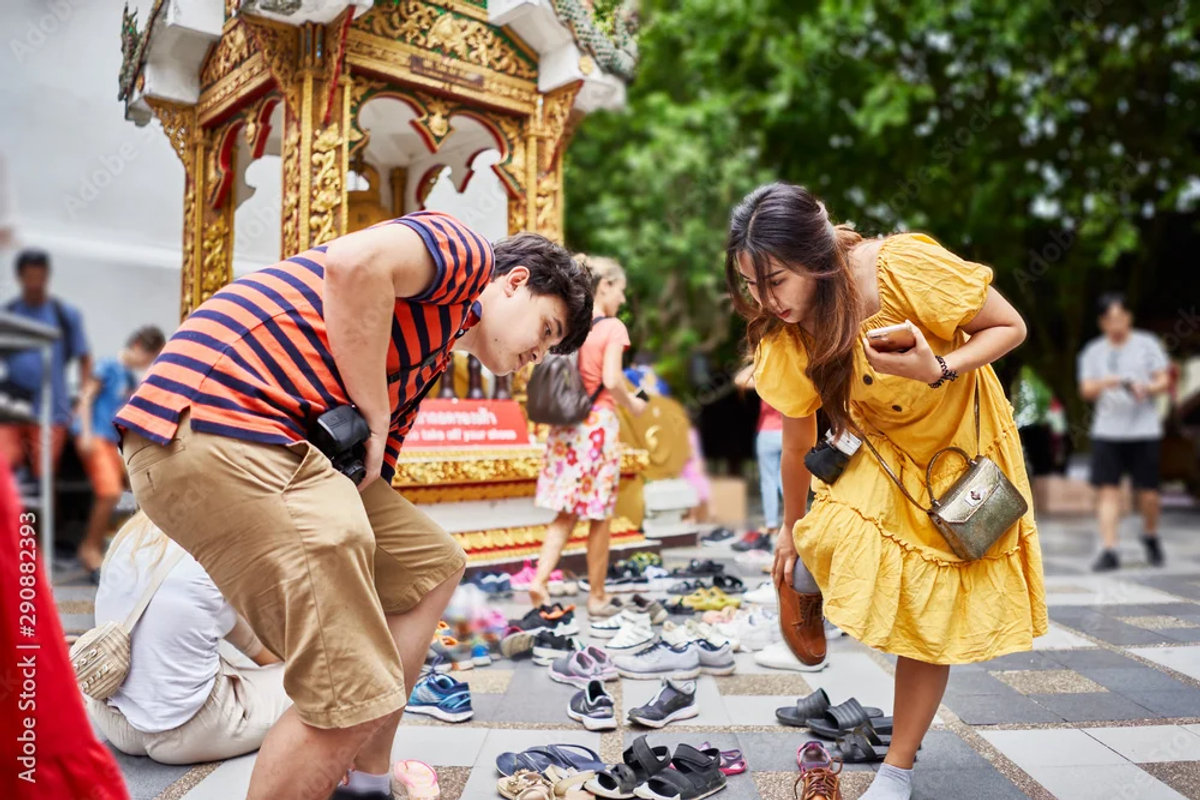
Photo: https://share.google/aPpYeKfbwshoEinz8 source
Remove shoes and hats at temples, dress appropriately, and ask before photographing locals. Remove your shoes or sandals when entering these places of worship. This action demonstrates your respect for the local community.
Keep respectful distance from Buddhist monks
Colombo and temples · religious etiquette · women especially
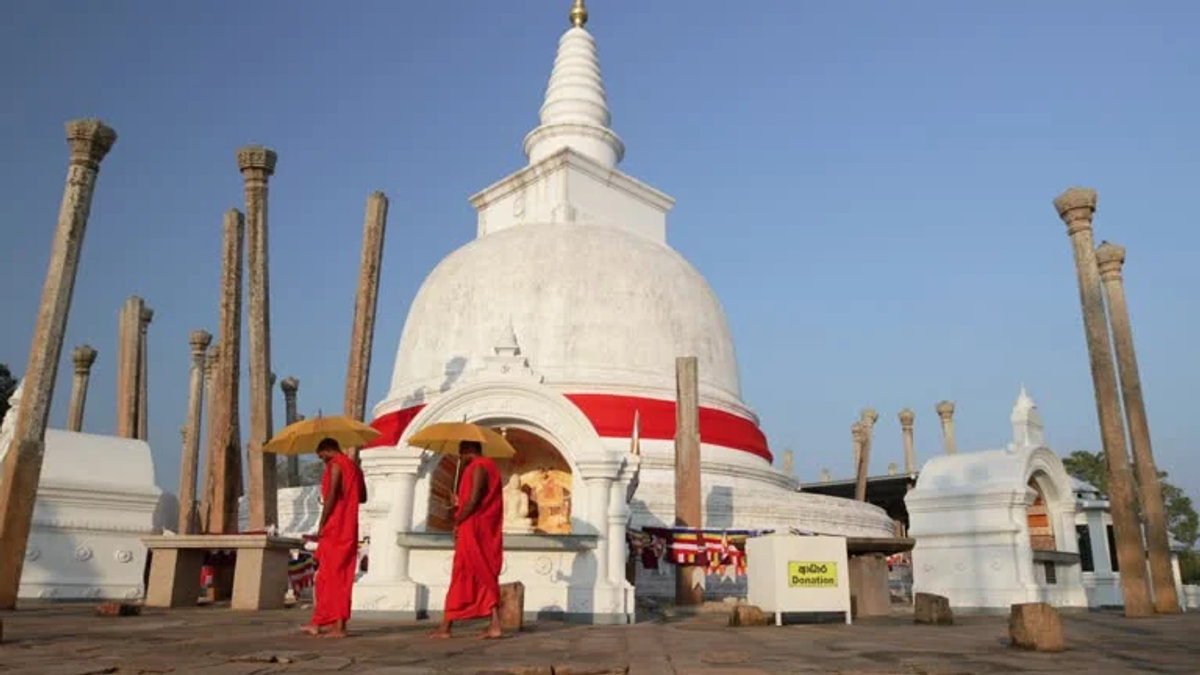
Photo: https://share.google/YK0CFUUFEY2tZ4LqD source
The principle of respect applies when interacting with Buddhist monks. Remember to keep a respectful distance, especially if you are a lady. If you invite a monk to join you, prepare a seat covered in white. This gesture shows your cultural awareness.
Greet with 'Ayubowan,' palms pressed at chest
Colombo social interaction · traditional greeting · respectful approach
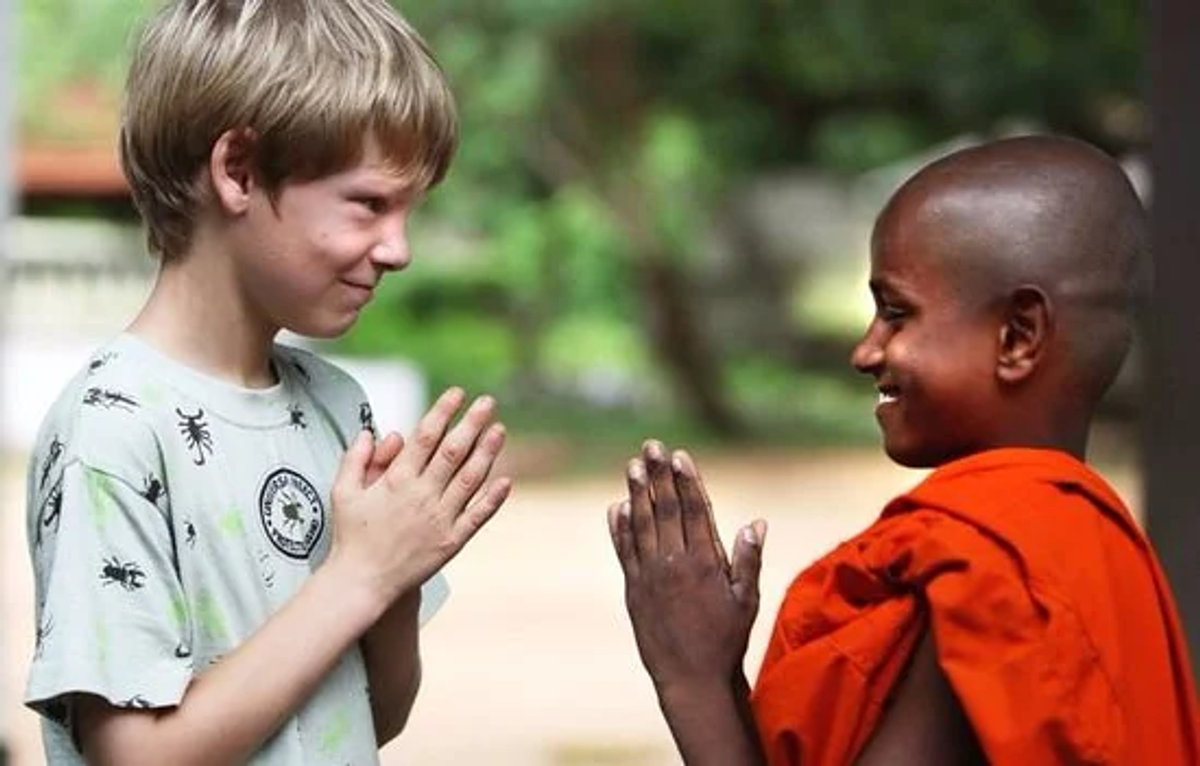
Photo: https://share.google/TqnwwjpU1NoOC9hak source
Locals greet with 'Ayubowan', said with palms pressed together at chest level, meaning 'may you live long.' Using this greeting in conversation opens doors that hurried English-only interactions will not.
Ask permission before photographing locals
Colombo streets and markets · cultural respect · unspoken rule
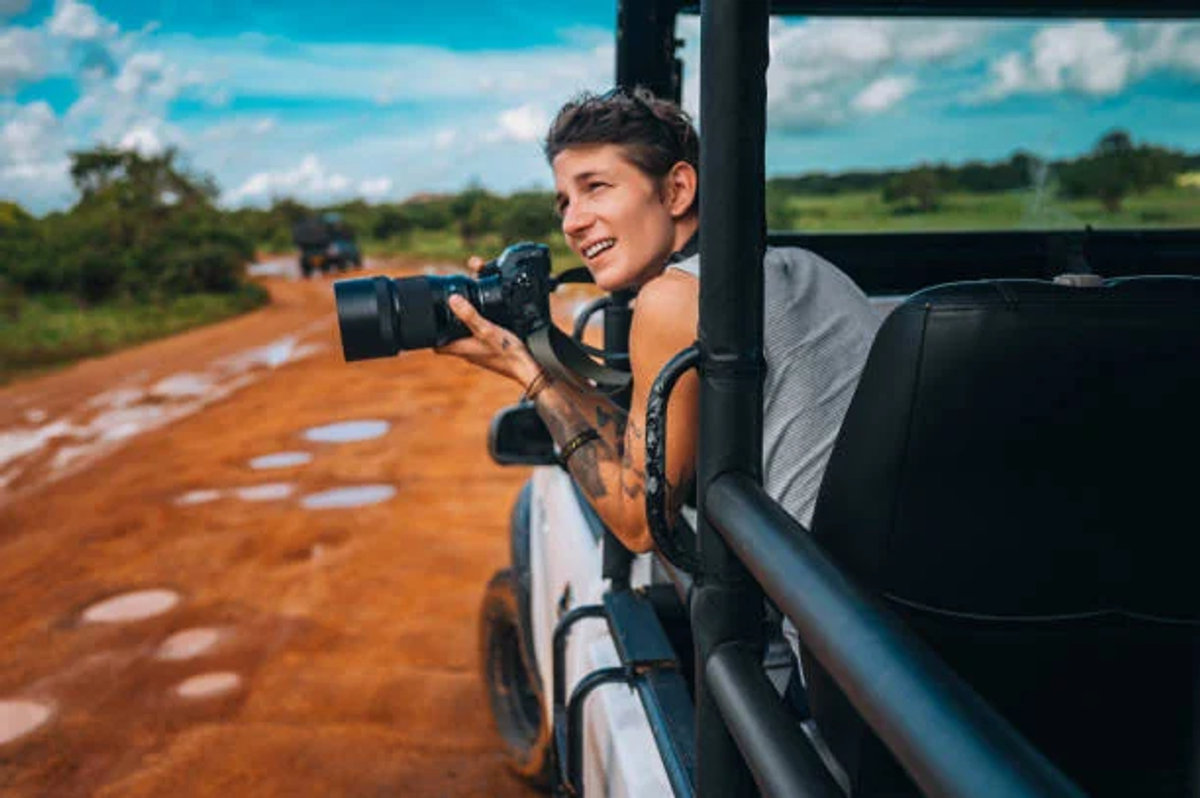
Photo: https://share.google/gBZV0EgsUz2ubkpRe source
Remove shoes and hats at temples, dress appropriately, and ask before photographing locals. Don't take photos of people praying or monks without permission. This matters more than you think in a city built on relationships.
Don't point feet at shrines or elders
Colombo etiquette · body language · deliberate disrespect if ignored
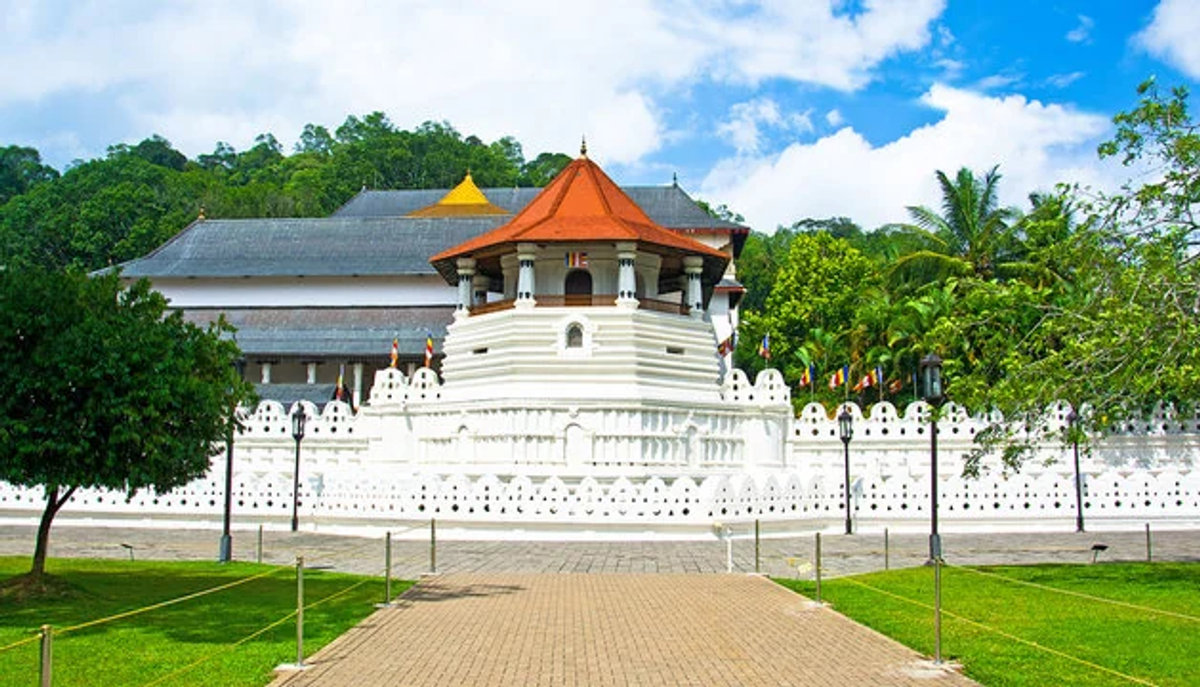
Photo: https://share.google/sewyE7g42SV1ibVPW source
Don't touch people's heads or point your feet at shrines or elders. In temple settings and formal conversations, foot positioning is observed. Sitting cross-legged or tucking feet beneath you shows understanding.
Avoid public affection in sacred areas
Temples and religious sites · cultural sensitivity · enforced boundary

Photo: https://share.google/xnqhYolQG4kUIKYjd source
A smile and polite bargaining are always appreciated, while public affection in sacred areas is discouraged. Holding hands or kissing in temple grounds will attract correction from staff, not just disapproval.
Use your right hand for eating and giving
Colombo meals and interactions · cultural practice · left hand considered unclean
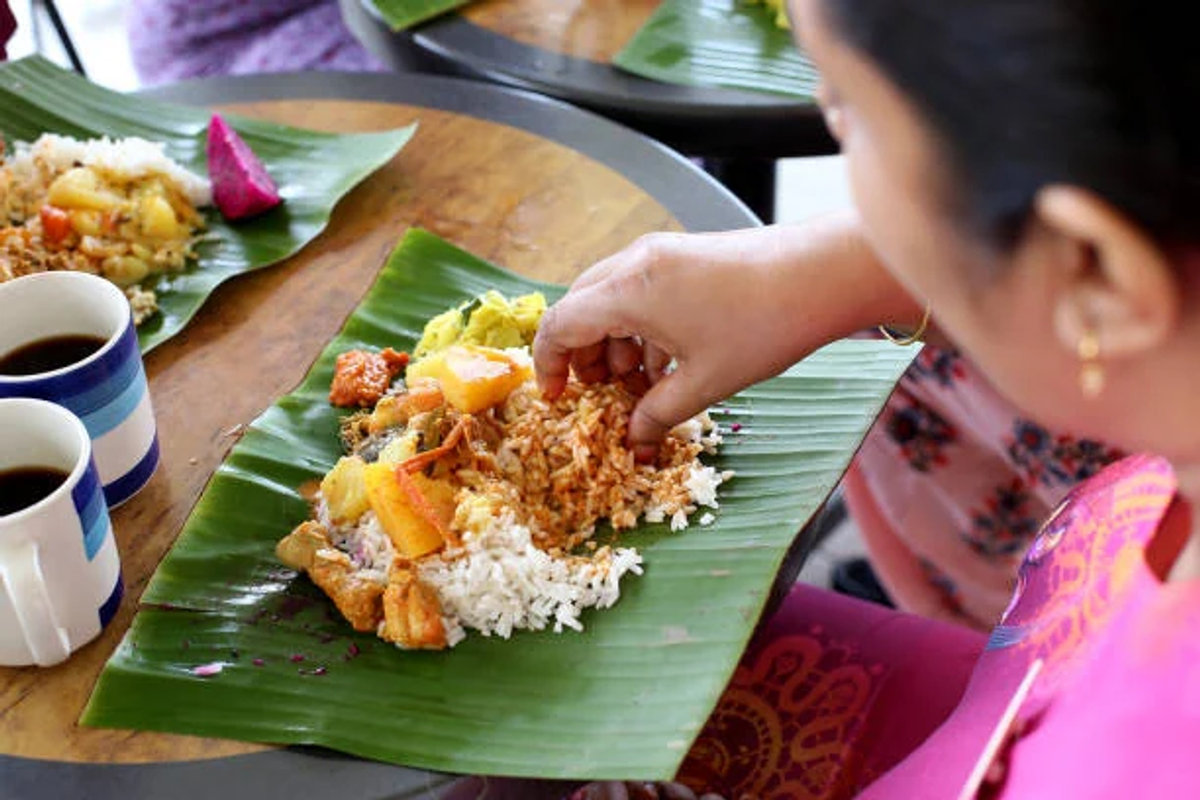
Photo: https://share.google/lzUjhNiV8J3r5Lwri source
In Sri Lankan culture, the left hand is traditionally considered unclean. When eating, especially street food or eating with hands, use your right. When giving or receiving anything, use your right hand or both hands—never the left alone. This applies to money, gifts, and food.
Carry separate cash for daily spending and emergencies
Colombo · money security · theft prevention
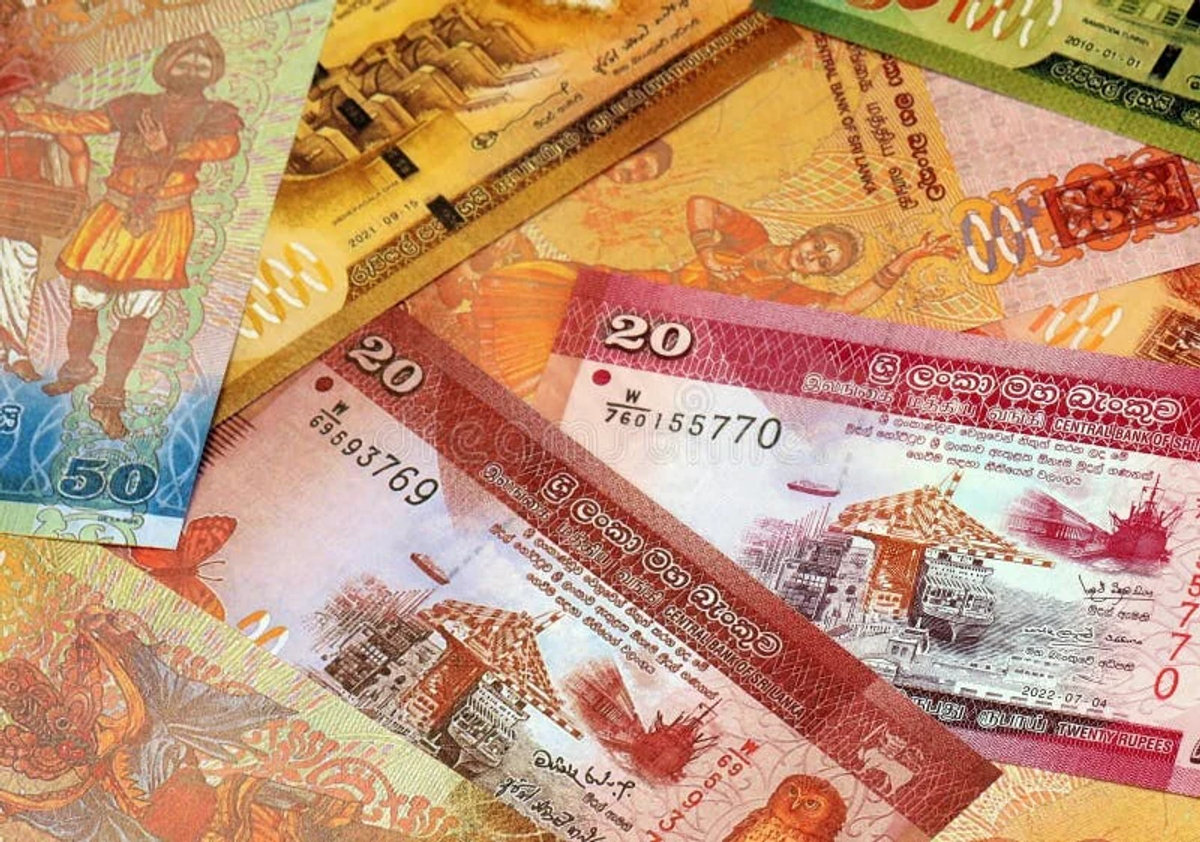
Photo: https://share.google/6CJzRGWLwKJZdKIB8 source
Keep small spending cash separate from passport, cards and backup money. Large notes can be difficult for small shops, tuk-tuks, temple donations and toilets. This is not paranoia; it is standard practice for travelers anywhere.
Avoid carrying cash in crowded markets like Pettah
Pettah Market, Colombo · pickpocketing risk · high-density areas
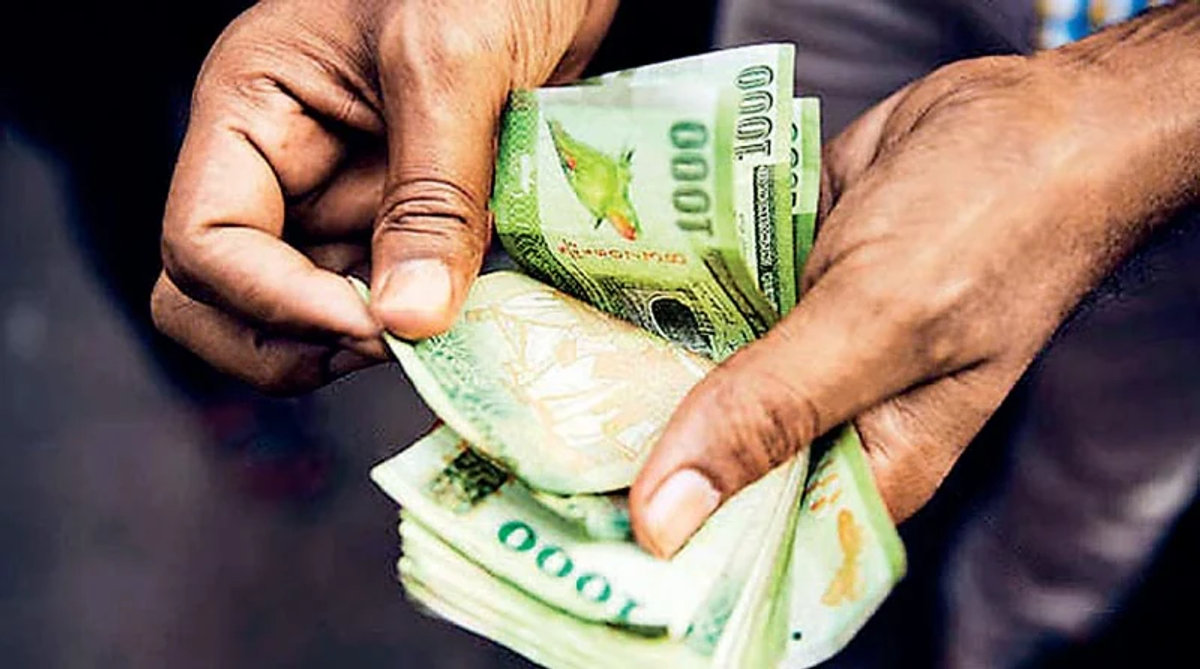
Photo: https://share.google/HHLVzTZjwHsqVTMdr source
Avoid carrying large amounts of cash in crowded areas like Pettah Market in Colombo. Use a money belt or hidden pouch for security. The market is worth visiting; pickpockets are a known issue there.
Always get a receipt when exchanging money
Colombo money changers · documentation · required proof
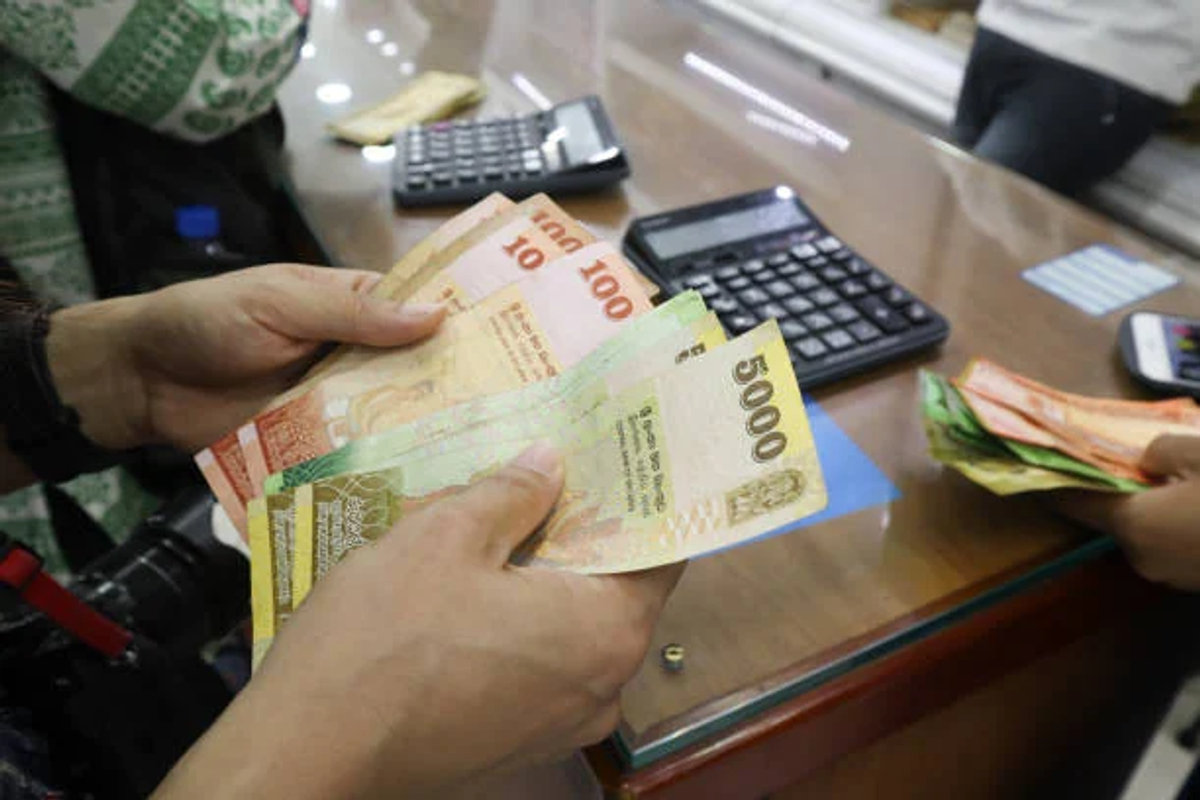
Photo: https://share.google/IE8d88XXrJJ42n8gw source
Always ask for a receipt when exchanging money and avoid unlicensed street vendors. Keep receipts, avoid street exchange, and choose LKR on card terminals when offered dynamic currency conversion.
Declare foreign currency over $15,000 USD at customs
Bandaranaike International Airport · customs law · legal requirement
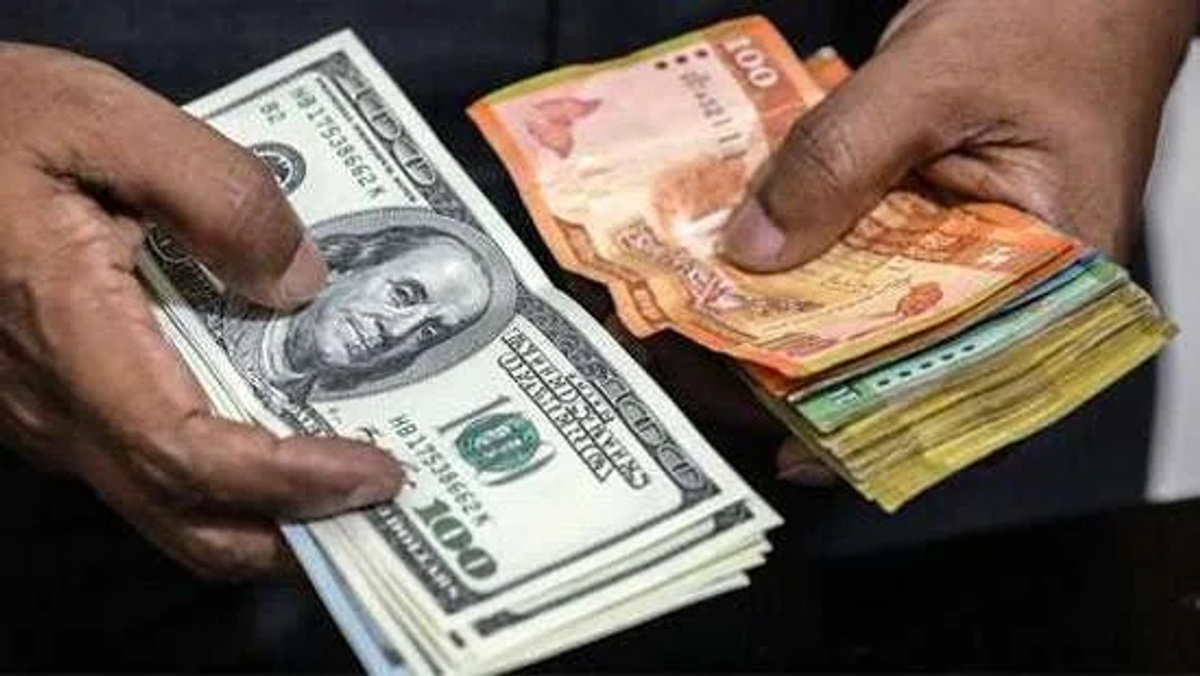
Photo: https://share.google/mhzLlGRB7vSp6fplr source
There is no restriction on bringing foreign currency into the country, but amounts exceeding $15,000 USD (or equivalent) must be declared at customs upon arrival. Failure to declare is a serious issue; honesty takes minutes.
Never accept unsolicited gems or jewelry deals
Colombo streets and shops · tourist scam · high-value fraud
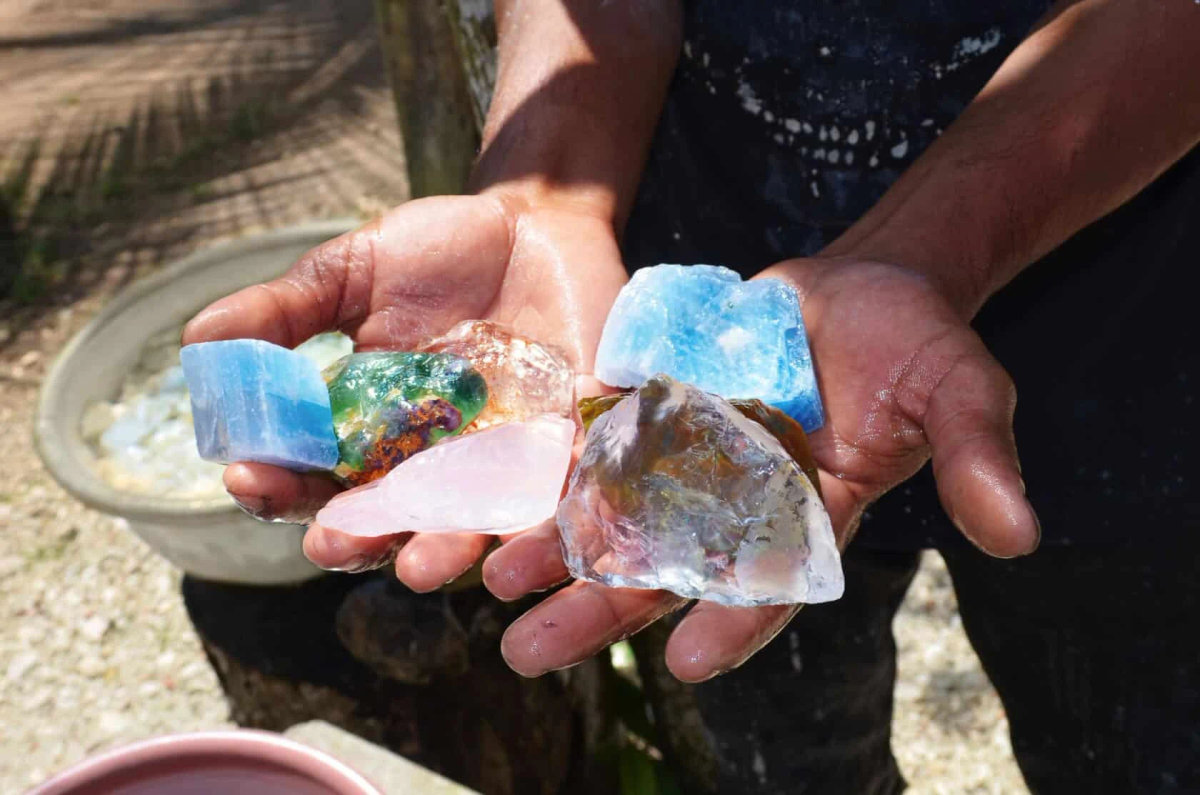
Photo: https://share.google/cADKZ6RfkL9pn8Rln source
Colombo has a reputation for gem scams targeting tourists. Unsolicited offers from friendly strangers, deals that seem too good, pressure to buy 'for export'—these are red flags. If you want gems, buy from established jewelers after consulting your hotel concierge. Otherwise, walk past.
Don't expect much nightlife outside tourist zones
Colombo · cultural practice · limited drinking culture
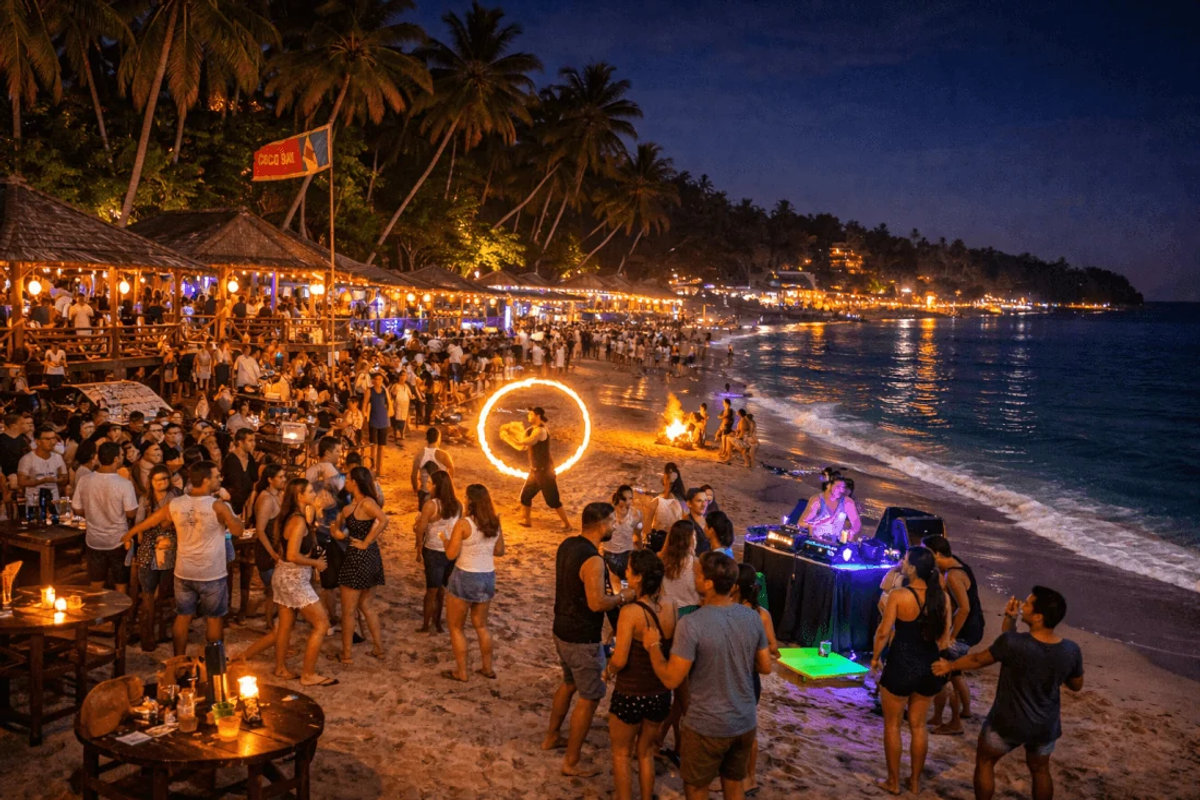
Photo: https://share.google/faUmMbNh48yNwjF2Q source
There aren't too many chances to drink alcohol or get wild in Sri Lanka. Outside the coastal tourist towns and the capital of Colombo, there isn't much nightlife or opportunities to drink. While you can always crack a beer at your guesthouse, Sri Lanka isn't home to a big drinking/nightlife culture.
Smile and be patient—Sri Lankans respond to politeness
Colombo interaction · cultural approach · relationship-oriented society
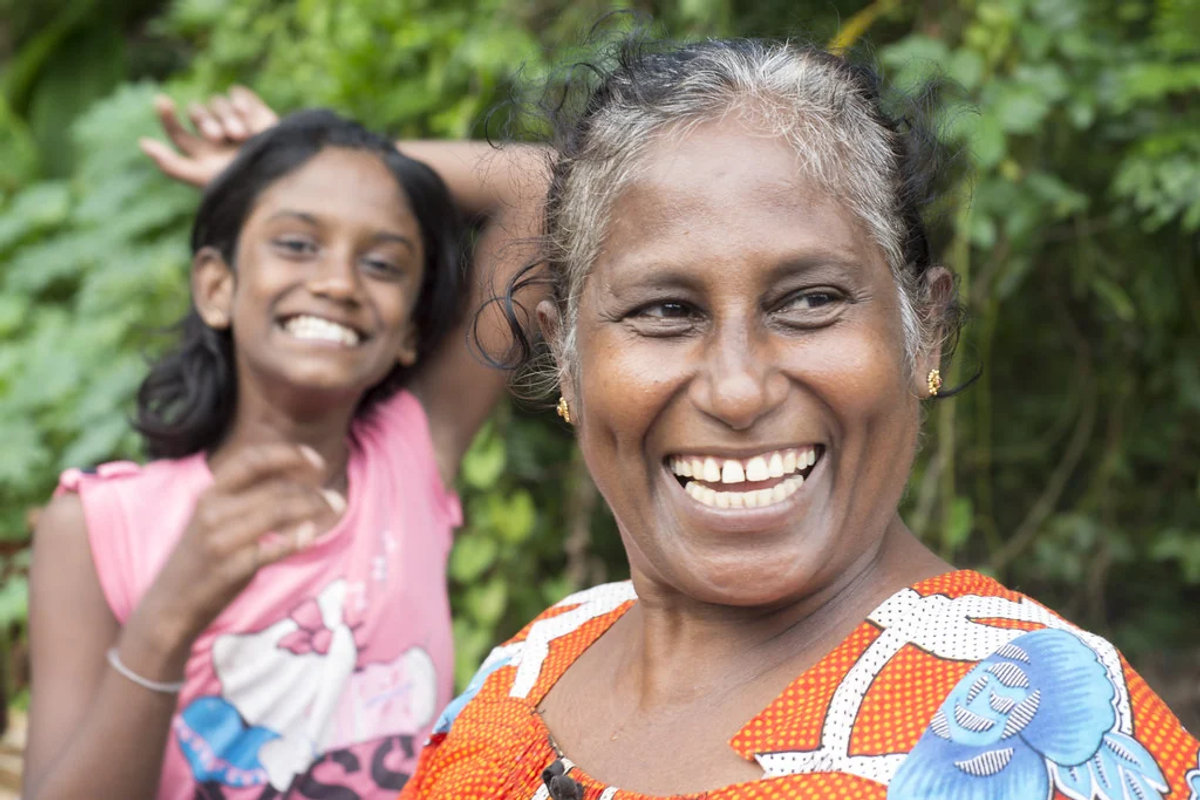
Photo: https://share.google/exY0r4O389hcIhWnZ source
Smiling and being polite goes a long way—Sri Lankans are naturally warm and helpful. You'll notice a gentle politeness, indirect communication, and a lot of interest in where you're from and how you like Sri Lanka. This matters more than knowing every rule.
Share this article
Comments
Sign in to join the conversation. Only registered users can comment.
No comments yet. Be the first.