



15 Colombo Tourist Mistakes and How to Avoid Them
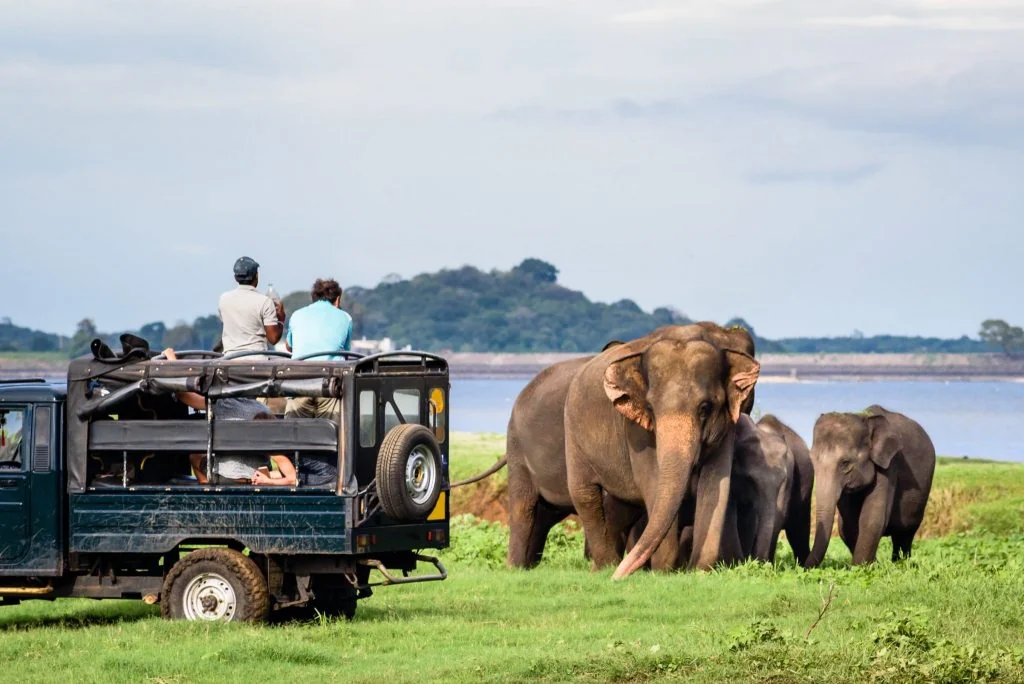
First-time visitors to Colombo stumble on timing, transport, dress codes, and prices. Here's what actually trips people up, and how to stay ahead.
Colombo surprises first-time visitors in ways they don't expect. The city is busier than anticipated, the weather is less predictable than it seems, and the small details—not the big sights—often derail a trip. This list ranks the mistakes that actually cost you money, time, or worse, cultural offense, ordered by how frequently they cause genuine problems and how easily they're avoidable.
The entry points matter more than you'd think: when you arrive, where you stay, what you wear to a temple, and whether you agree on a tuk-tuk fare before you sit down. Timing your visit during monsoon season is a bigger mistake than skipping a museum. Not knowing that buses in Colombo get aggressively crowded will cost you peace of mind and possibly your belongings. Ignoring dress codes isn't rude in the abstract—temples will turn you away. The rhythm of the city punishes tourists who don't understand it, but the rules are simple once you know them.
Visiting May through August
Colombo · Timing · Southwest monsoon season, heavy rain
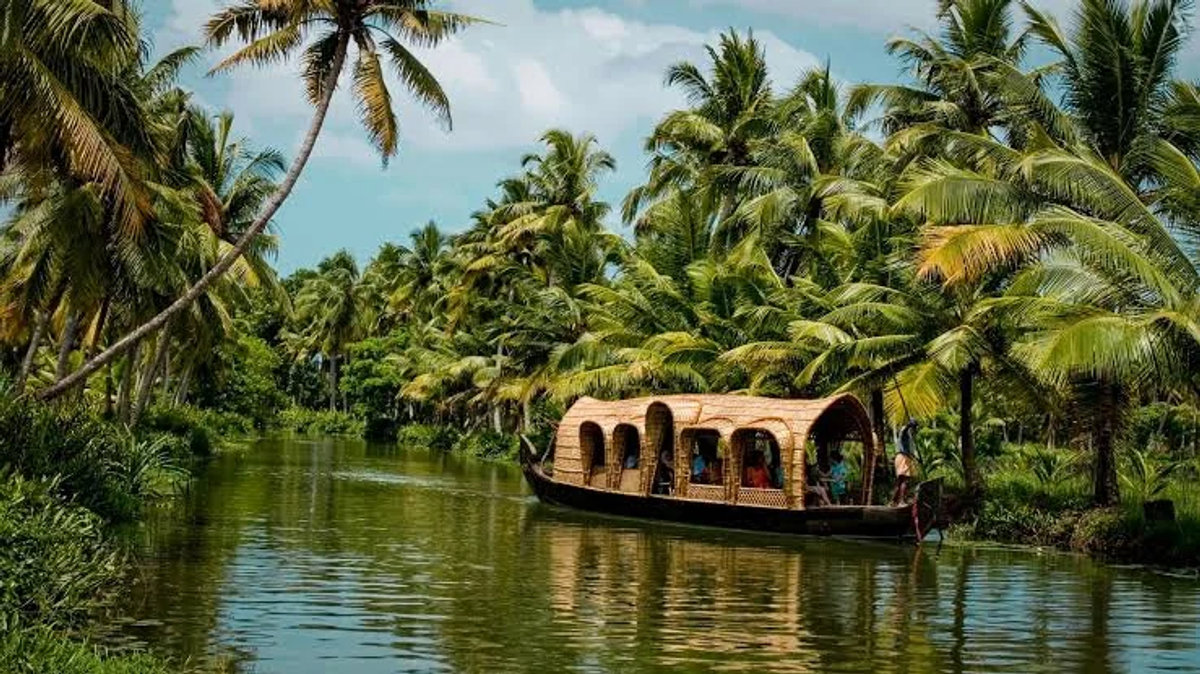
Photo: https://share.google/dhZPpoNXZZoHPo3VL source
The southwest monsoon season from May to September brings heavy rainfall with temperatures between 26° and 31°C and high humidity. Heavy rain, localized flooding, and monsoon-related disruptions can affect travel plans, with the southwest monsoon bringing difficult road conditions, transport delays, floodwater, power interruptions, and slower emergency response. The best time to visit Colombo is from December to March, when the weather is dry, sunny, and ideal for sightseeing and beach experiences. If you cannot shift your dates, expect disrupted transport, closed attractions, and frustration—not a saving grace of low prices or fewer crowds.
Relying on street-hailed tuk-tuks without negotiating first
Colombo · Transport · Tuk-tuks

Photo: https://share.google/t1iFblW2tclpYQ2r1 source
Tuk-tuks are generally safe to use, but it's important to negotiate the fare before starting the journey as not all tuk-tuks have meters, with costs usually around 50 LKR (approximately $0.25 USD) per kilometer. Taxis and tuk-tuks waiting outside hotels and typical tourist sights are usually more expensive, so walk a few hundred meters for a better deal. Apps like PickMe present options for tuk-tuks and cars with transparent pricing and are highly recommended for fixed fares and reliability. Use the app or name a price and lock it in—both you and the driver benefit.
Showing up to temples in shorts or sleeveless tops
Colombo · Dress code · Religious sites

Photo: https://share.google/1aFewkX5DRtTXKhE1 source
Dress modestly at temples—shoulders and knees covered; remove shoes and hats before entering. Everyone must conceal their arms down to their elbows, and only skirts and shorts that are below the knee level are accepted in these religious sites. To go into any temples or mosques, knees and shoulders must be covered, and this is enforced. Plan ahead: bring a sarong or lightweight wrap in your bag so you can visit a temple without having to change or make a second trip.
Bringing damaged or marked banknotes
Colombo · Pricing · Cash handling
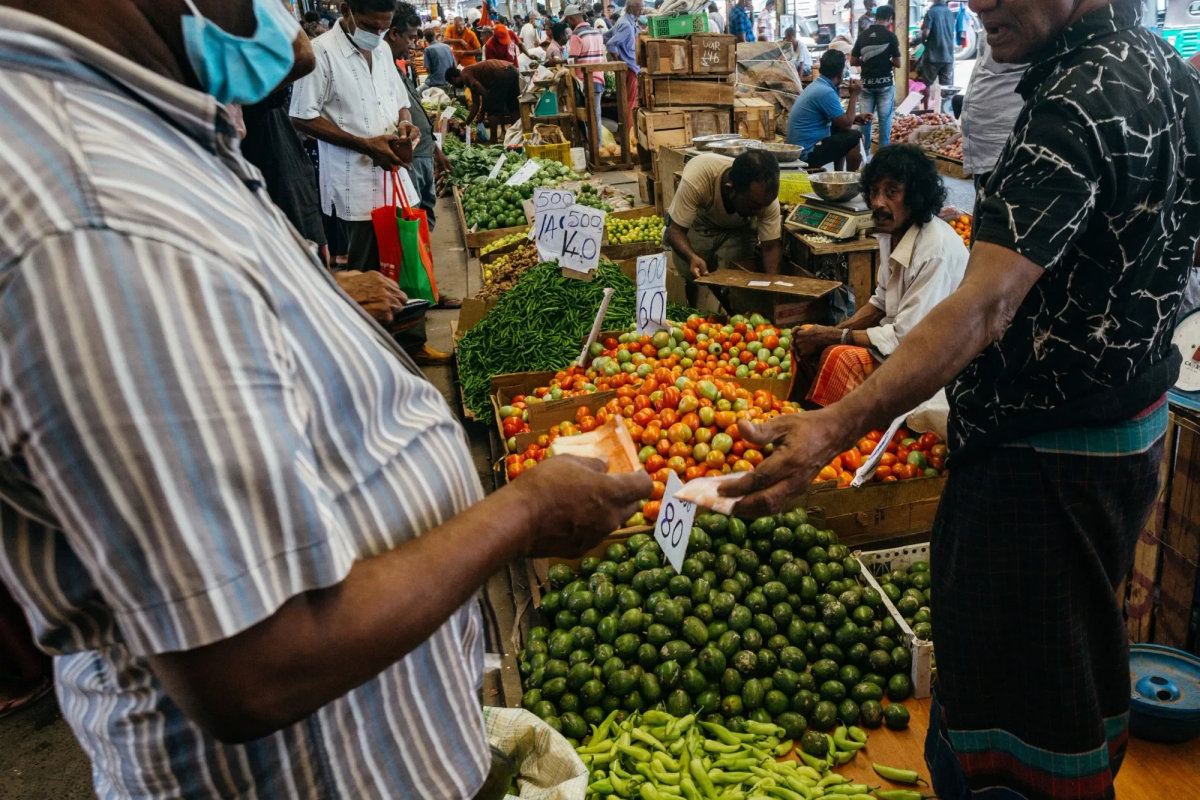
Photo: https://share.google/H6wdUwimQKDvwN89w source
If you are paying with cash or changing money, make sure those notes are crispy clean. Shops, drivers, and hotels may refuse torn, stained, or heavily marked notes—it happens to tourists in Colombo and it happens fast. Exchange money at your hotel or a bank before you hit the street, and inspect notes before you leave the counter.
Ignoring customs and local beliefs
Colombo · Cultural awareness · Respect and etiquette
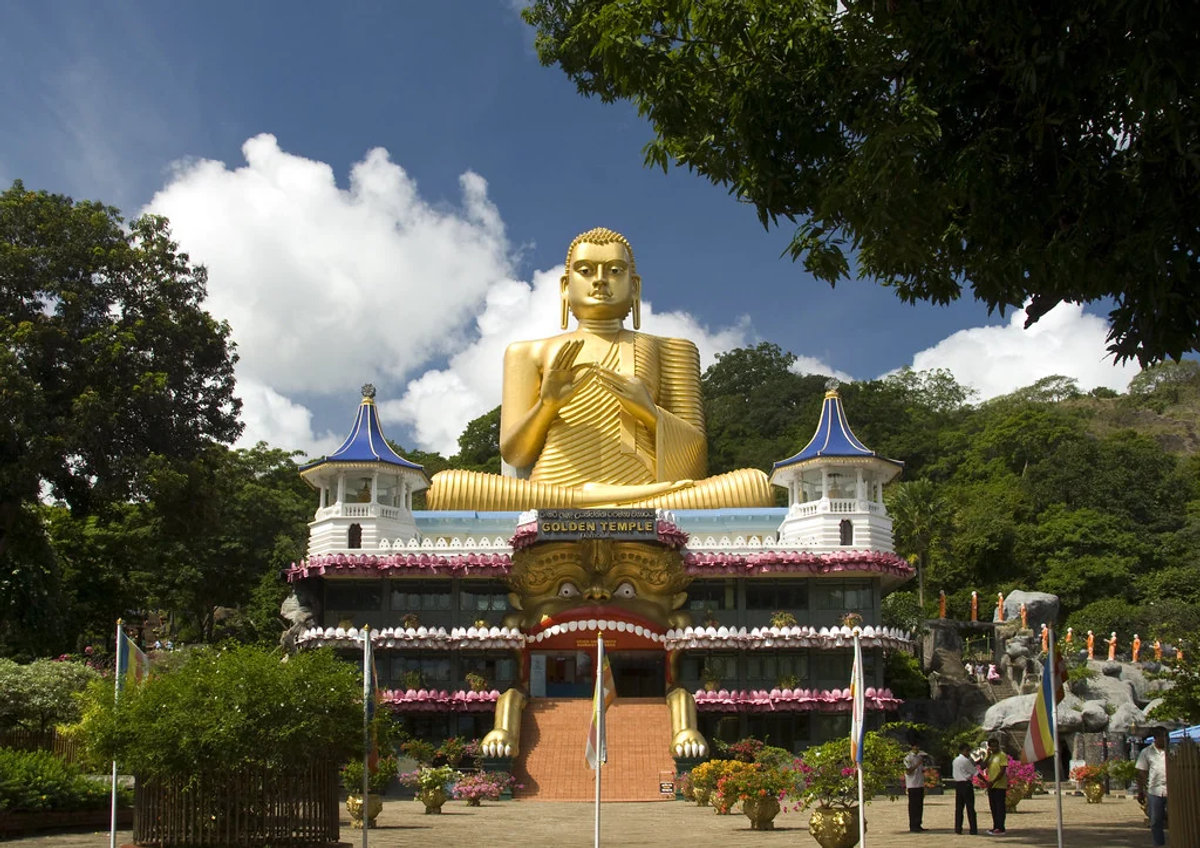
Photo: https://share.google/ie4dfwvv4Rtp5VtDY source
Ignoring local customs is a big mistake in Sri Lanka as it can significantly hamper your experience and leave you with disappointment and unwanted trouble. Wearing clothing or accessories that feature Buddha images can deeply offend locals, as these symbols are sacred. Never pose with your back to a Buddha statue; this is considered deeply disrespectful. Research basic customs before you arrive—it takes an hour and will protect you from missteps that locals notice.
Taking taxis and tuk-tuks from outside your accommodation
Colombo · Transport · Pricing strategy

Photo: https://share.google/DgaJPSqGxHOvxFpyO source
Taxis and tuk-tuks waiting outside hotels and typical tourist sights are usually more expensive, so have patience and walk a few hundred meters and you will probably get a better deal. The difference is not trivial—drivers stationed at hotel entrances know tourists have no alternative and price accordingly. Walk to a less obvious corner or use a ride-hailing app instead.
Not booking accommodation during peak season in advance
Colombo · Bookings · December to April
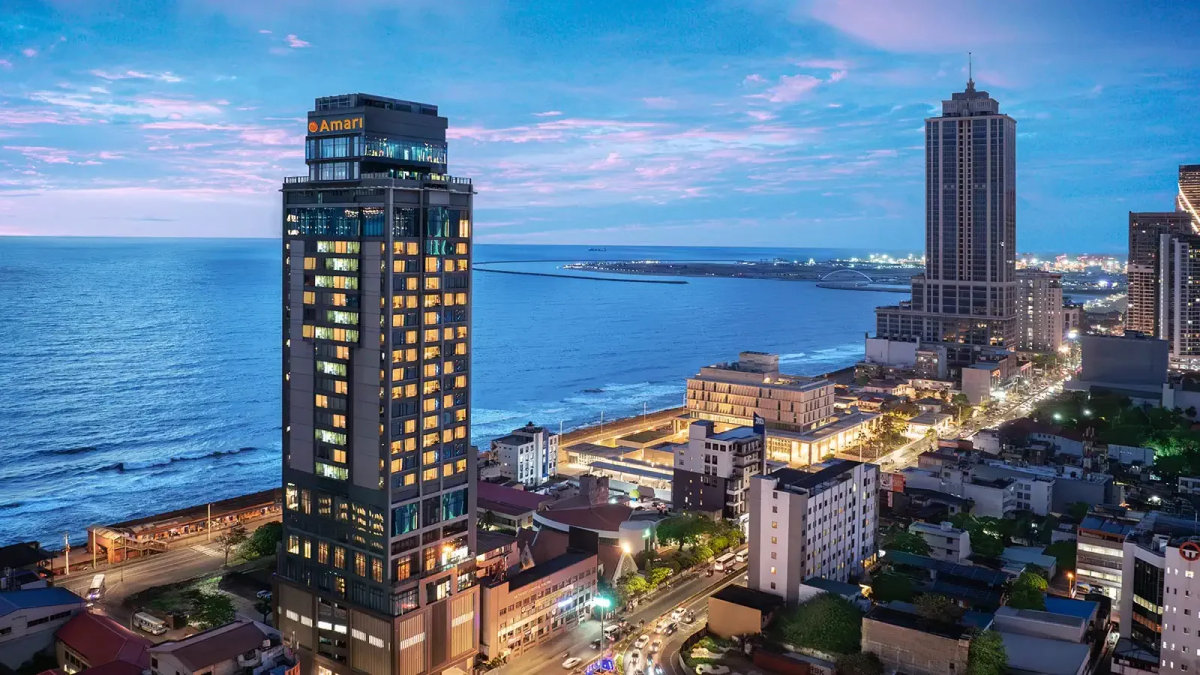
Photo: https://share.google/ucaeWDTbo8xP3Caq2 source
Hotels are cheapest in Colombo in April, with average rates of $108/night, while February is the most expensive month with prices at $681/night. Colombo has peak tourist season in December to April when cooler winds and crisp blue skies bring crowds, and prices are at their highest during this period. If you're traveling December through February, book 60–90 days ahead. The difference between a last-minute booking and an early one can be $400 per night.
Assuming buses are crowded, cheap, and your only option
Colombo · Transport · Buses
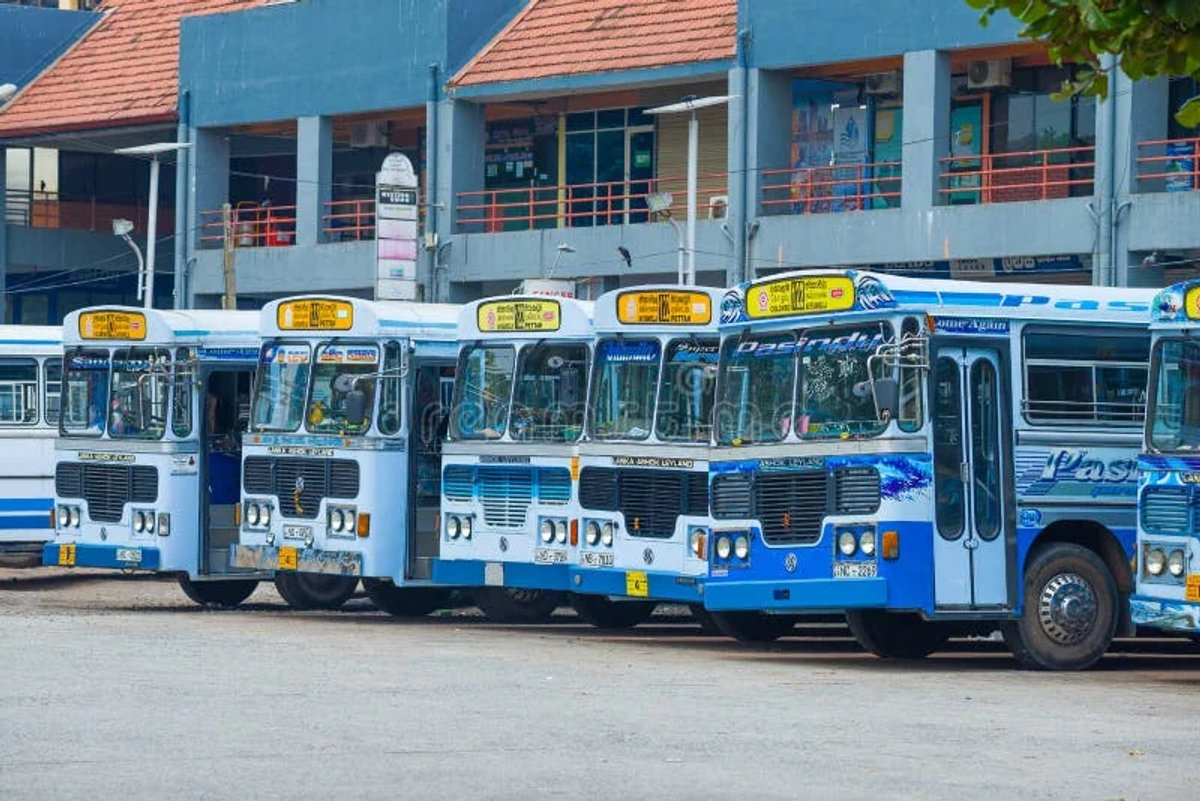
Photo: https://share.google/fWyvTVgKGKyHQCPYJ source
Bus service in Colombo is quite affordable, with fares starting from as low as 10 LKR (approximately $0.05 USD), but buses can be crowded, especially during peak hours, and may not be the most comfortable option for everyone. The safety of buses is generally good, but it's always advisable to be cautious of pickpockets in crowded buses. There is quite a bit of personal space invasion on crowded trains and buses, and close contact which is unnecessary. Plan short trips; for anything longer than 15 minutes or during rush hours, use a ride-hailing app instead.
Walking alone after dark on unfamiliar streets
Colombo · Safety · Evening hours
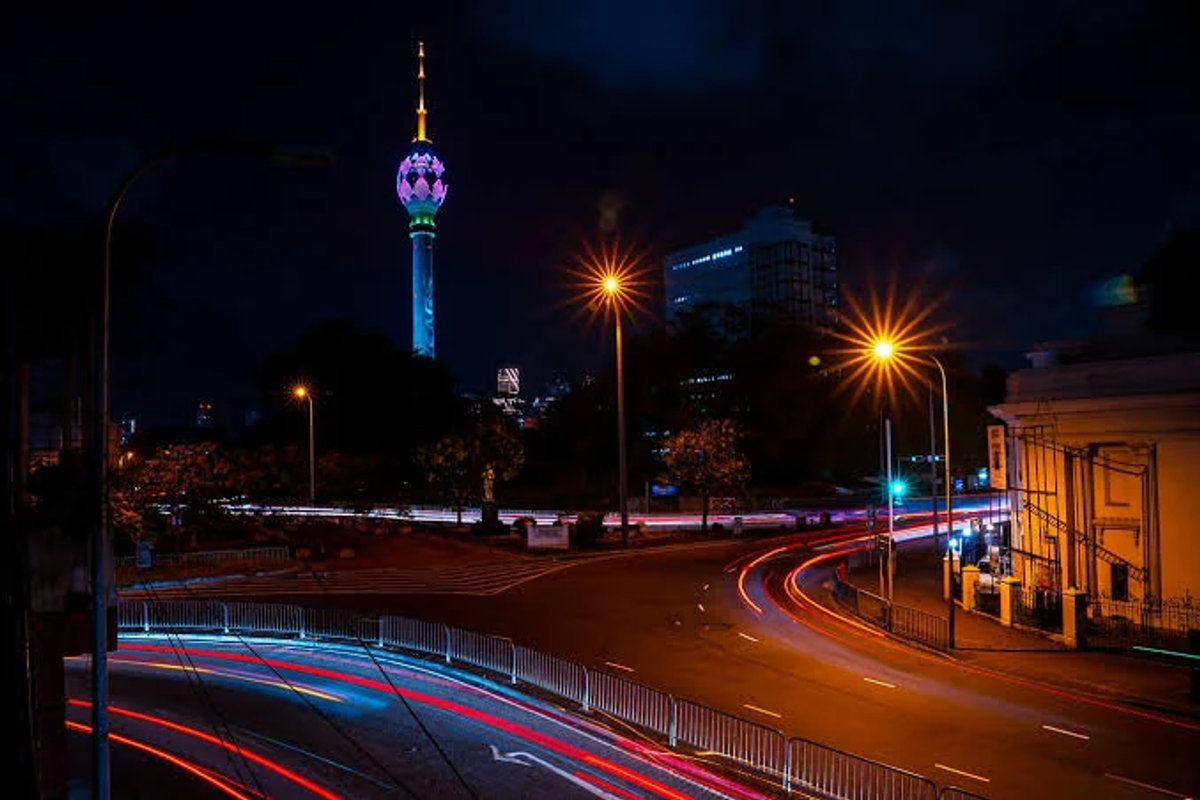
Photo: https://share.google/qfAIB7JlHd4VJsQwp source
It is smart to keep evenings simple and avoid isolated streets after dark. The biggest issues in Colombo are petty crime, scams, harassment, and road chaos, with robbery and harassment occurring more late at night, in poorly lit areas, and when travelers are alone, intoxicated, or unfamiliar with the neighborhood. Stay on main streets, use ride-hailing apps for evening travel, and plan group activities if you're exploring at night.
Booking tours and safaris on the fly with unlicensed operators
Colombo · Bookings · Wildlife experiences

Photo: https://share.google/0ID57WrpExB4SWSb4 source
Unlicensed operators crowd national parks with too many vehicles, disturbing the animals and putting tourists at risk, and tourists unknowingly contribute to it by booking on the fly or through informal contacts. Book wildlife experiences in advance through established operators and verify licensing before you commit. A last-minute booking saves nothing if it means an unethical or unsafe experience.
Wearing Buddha imagery or sacred symbols as fashion
Colombo · Dress code · Cultural respect

Photo: https://share.google/dcKOd0U7GiP12ln1l source
Misusing Buddhist imagery is a major rule to avoid in Sri Lanka, and wearing clothing or accessories that feature Buddha images can deeply offend locals, as these symbols are sacred. Check your packing before you leave—t-shirts, tattoos, or accessories with Buddha images, OM symbols, or other sacred imagery should not come with you. The offense is real and immediate.
Trying to visit major attractions during midday heat
Colombo · Timing · Heat management

Photo: https://share.google/NQoO9cc2UaYPkdP70 source
The city is hot, humid, and steamy throughout the year, and because it's by the sea in the tropics, the weather can be unpredictable. Galle Face, museums, and temples are open midday but you'll suffer and waste hours sitting in oppressive heat without energy for the actual site. Start early (6–8am) and return to your hotel during the hottest hours (1–4pm). The city's rhythm runs this way; follow it.
Not bargaining at markets or assuming fixed pricing everywhere
Colombo · Pricing · Markets and shops
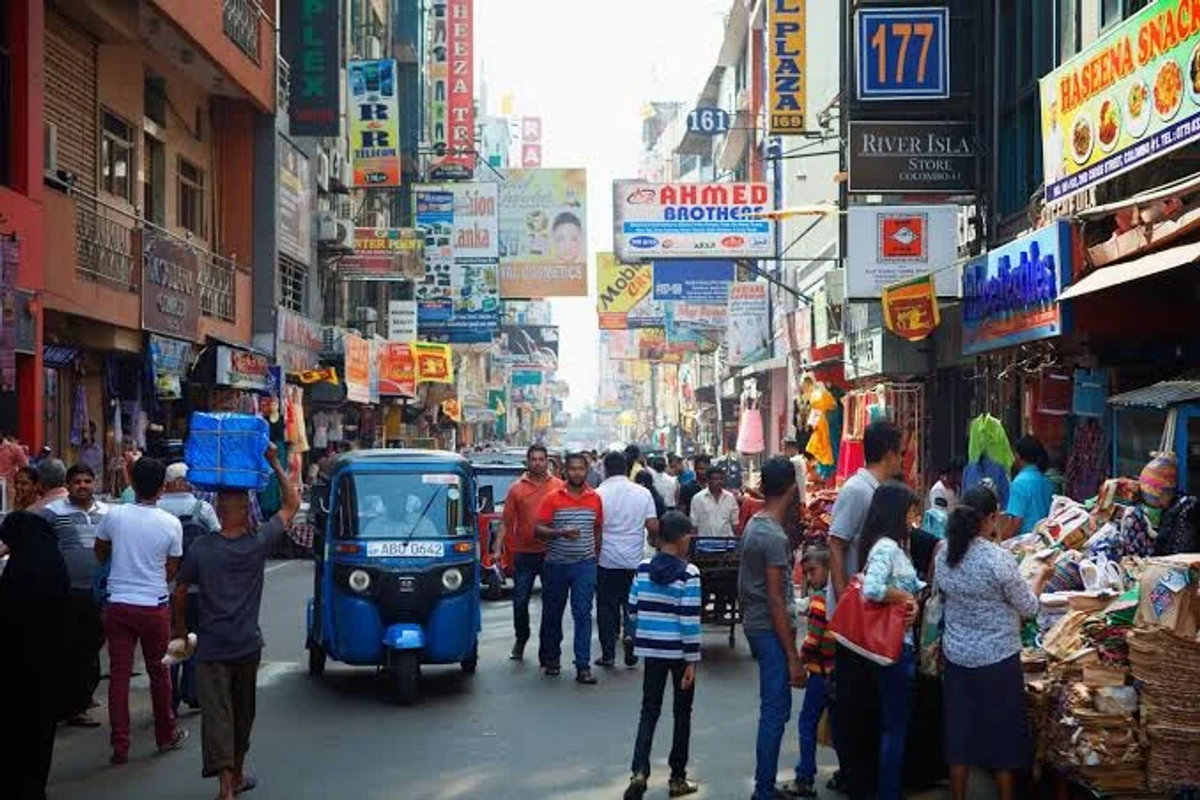
Photo: https://share.google/Zt9k734GipLdZqMKm source
Bargaining is common in Colombo's markets; research prices before shopping to help you negotiate better deals and offer less than the asking price, as sellers often expect some negotiation. Be prepared to walk away: if the price isn't right, politely decline, and sometimes sellers will call you back with a better offer. Tourist-facing shops have fixed prices; local markets and street vendors do not. Know the difference.
Eating at restaurants with printed menus in tourist areas
Colombo · Pricing · Food
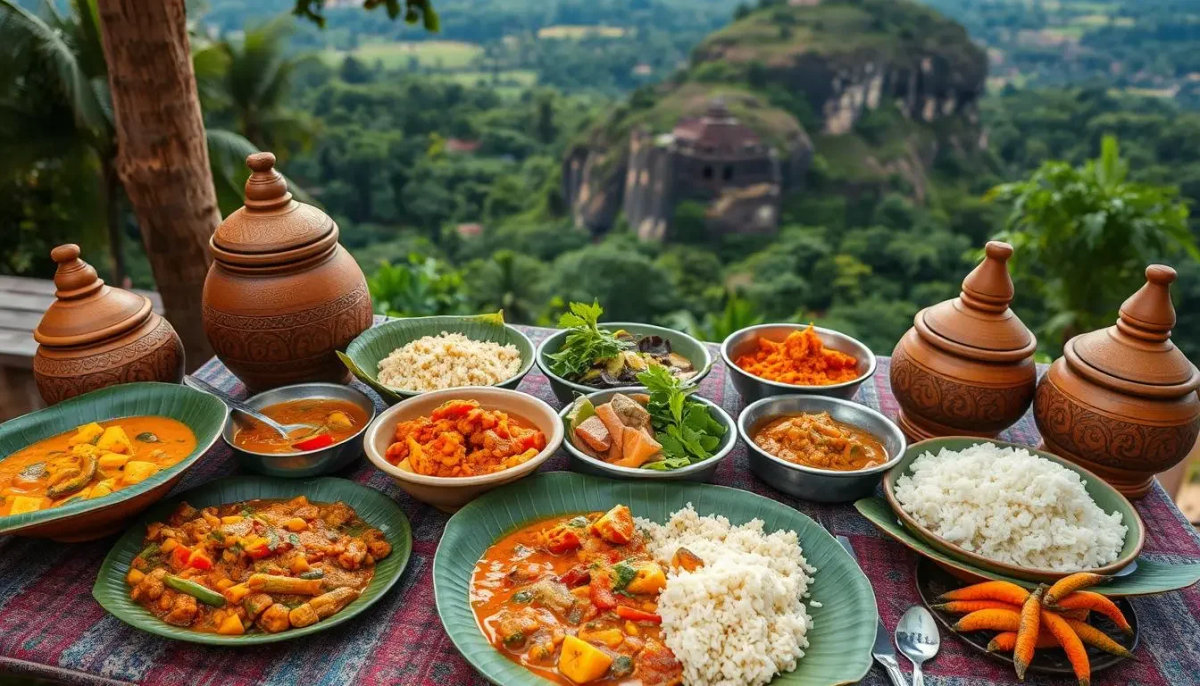
Photo: https://share.google/LmGeaexPTrKash5o2 source
Off-grid-from-tourists spots serve one of the true tastes of local Sri Lankan cuisine without the tourist prices—just you, locals, and a large selection of delicious curries, where a lunch or dinner shouldn't cost anything more than Rs1500 (less than $6.00). Although booking isn't necessary, it is advisable to arrive early to avoid long queues. Skip establishments with laminated menus and pictures of dishes. Find where locals eat.
Not bringing a rain jacket or umbrella, regardless of season
Colombo · Preparation · Weather
Photo: https://share.google/KDVMVeuDm84lqftZm source
Light clothing works best, but pack rain gear because showers can hit in any season and heavier rain comes with the monsoon pattern. Even in the dry season, short afternoon showers are common in Colombo's tropical climate. A compact umbrella takes no space and saves you from a soaked day or unplanned purchases of overpriced replacements from hotels.
Share this article
Comments
Sign in to join the conversation. Only registered users can comment.
No comments yet. Be the first.