



Is Singapore Safe? A Practical Guide for Visitors

Singapore ranks among the world's safest cities, but like any destination, understanding specific risks—from scams to neighbourhoods to when to stay alert—makes all the difference.
Singapore consistently ranks as one of the world's safest cities for tourists. As of 2026, Singapore maintains its status as one of the world's safest cities with a crime index of 22.99 and a safety index of 77.01. The US travel advisory rates it as Level 1 – Exercise Normal Precautions. Yet safety isn't absolute, and the most common threats—scams, pickpocketing, overpriced rides—happen when visitors don't know what to look for. This guide covers where to stay sharp and how to navigate the island with confidence.
The risks are real but specific. Tourist-specific crime affects approximately 0.8 per cent of visitors annually, according to Singapore Tourism Board data. Security databases document 16 distinct scam types affecting visitors, ranging from overpriced taxi rides to counterfeit shopping deals. Petty theft concentrates around major tourist attractions during peak visiting hours between 10:00 and 16:00. What follows are the practical steps to avoid them.
Crime and violence overview
Singapore · Safety baseline · Very low risk for visitors

Photo: https://share.google/Y3nyemxWzQ1eozfWs source
Singapore boasts one of the lowest crime rates globally. Violent crimes against tourists are rare, but one should always stay aware of their surroundings. Singapore boasts one of the world's lowest crime rates, with violent crimes rare even in tourist hubs. In Singapore, you may be taken in for questioning if you don't have your passport with you.
Which neighbourhoods warrant caution
Geylang, Little India, Clarke Quay · Cultural districts and nightlife areas · Higher petty crime during busy periods
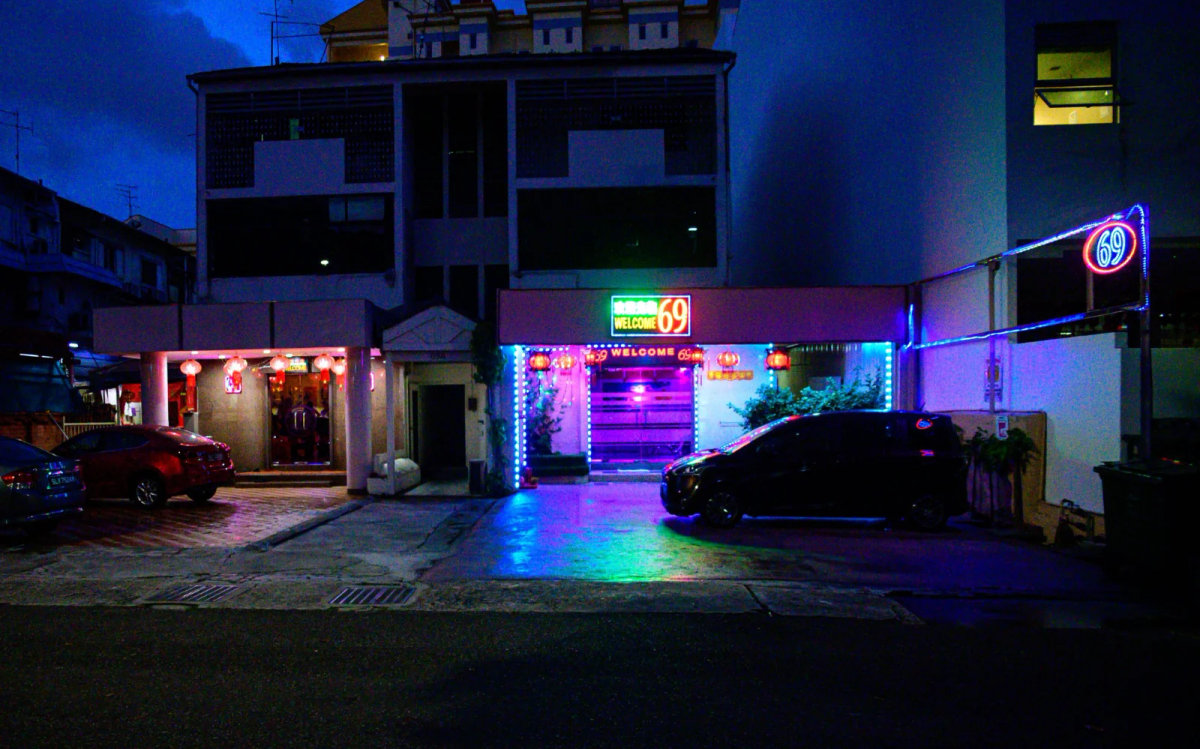
Photo: https://www.google.com/imgres?imgurl=https%3A%2F%2Fi0.wp.com%2Fbatamnewsasia.com%2Fwp-content%2Fuploads%2F2024%2F12%2FCover-5.png%3Ffit%3D1600%252C999%26ssl%3D1&tbnid=HhOXSlSnkQFN_M&vet=1&imgrefurl=ht source
Geylang is known to have slightly higher crime rates compared to other areas. While the area is still relatively safe by international standards, tourists may want to avoid it late at night due to its nightlife and occasional reports of petty crimes such as pickpocketing. Little India is a vibrant cultural district filled with markets, temples, and delicious food. While it's generally safe during the day, petty theft can occur in crowded areas, especially during festivals and public holidays when the district becomes busier. Tourists should remain cautious with their belongings and avoid walking alone in the area late at night. Be careful at night in Boat/Clarke Key – it's an area known for its bars and sometimes attracts antisocial behavior.
Safe neighbourhoods for your base
Marina Bay · Central tourist hub · Well-lit, heavily policed, high police visibility
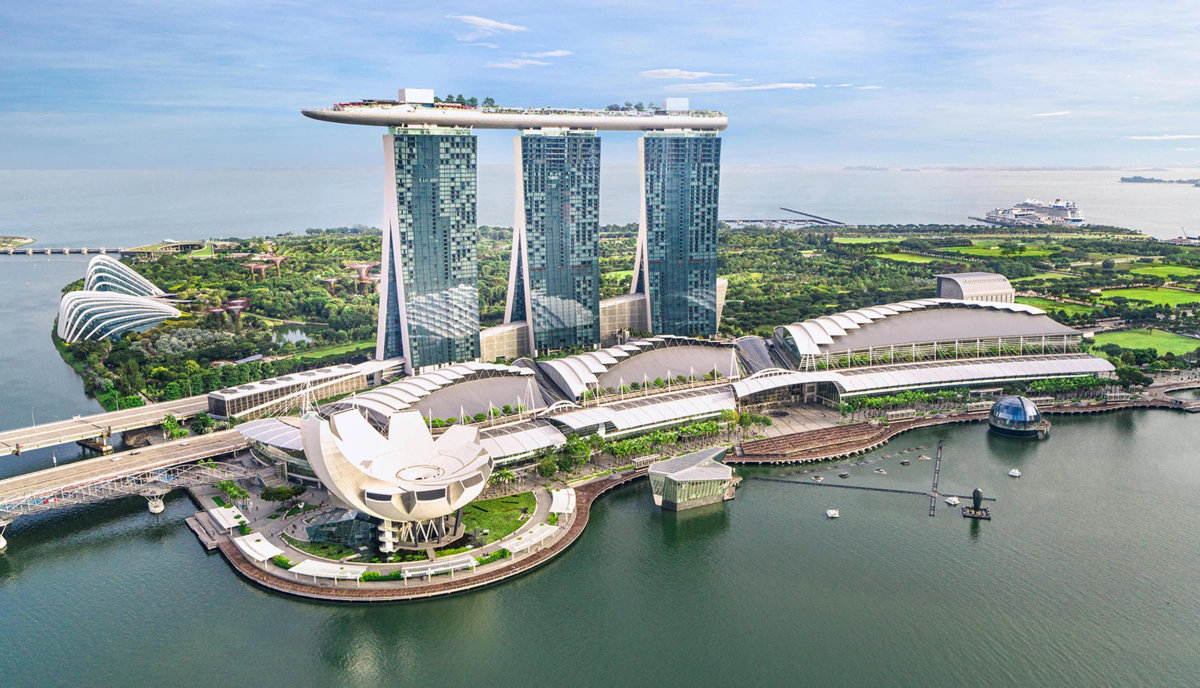
Photo: https://share.google/TV3uFkvluQQhHiZZD source
Marina Bay is one of Singapore's prettiest and most desirable neighborhoods. Located in the center of the city, Marina Bay overlaps with the Central Business District, the Civic Quarter, and trendy Clarke Quay, so you're never far from the action. With its bright lights, skyscraping hotels, and one-of-a-kind, jaw-dropping attractions, Marina Bay is not only one of the safest areas in the city, but also the best place to base yourself if you want to be bang in the heart of the action.
Public transport safety
MRT, buses · Well-monitored with CCTV · Safe day and night
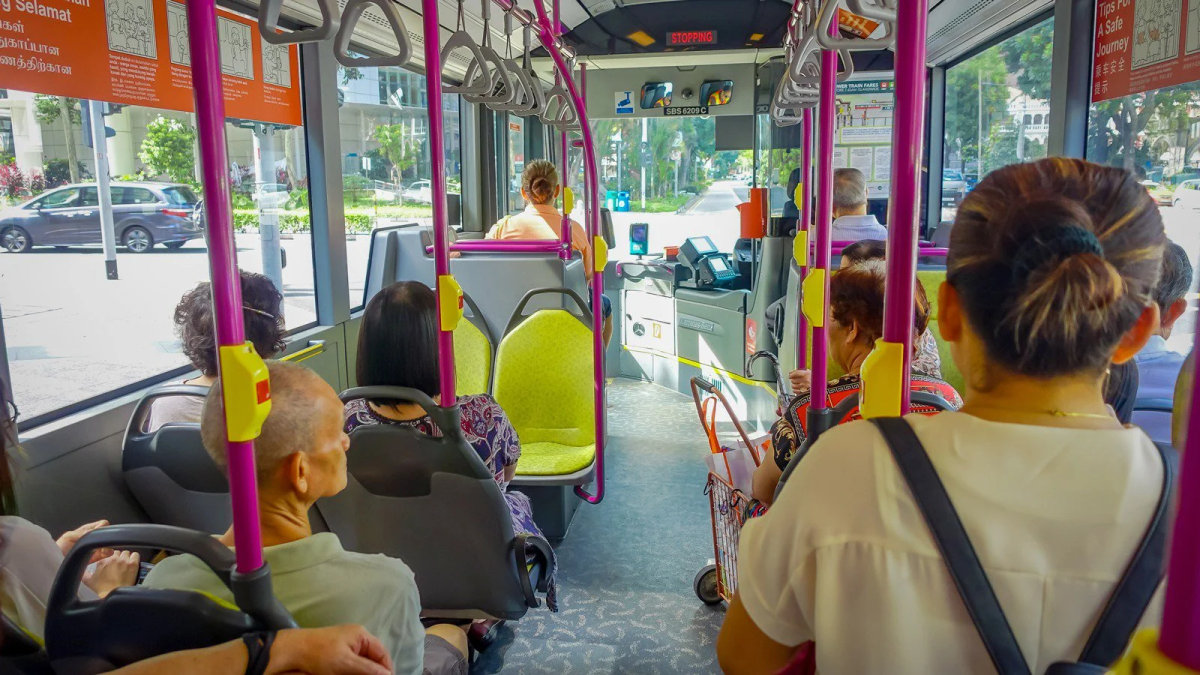
Photo: https://share.google/9Ng8U0Mo08TwG6TuY source
The public transportation system in Singapore is efficient, reliable, and safe. Taxis are well-regulated and metered, ensuring transparent fares. In the MRT trains, each train car has an emergency communication button located at the side of the train doors. Keep bags zipped and in front on MRT. Use ride-hailing apps like Grab over street taxis at night.
Scams targeting tourists: taxis and transport
Airport, hotels, tourist areas · Overcharging · Always verify meters
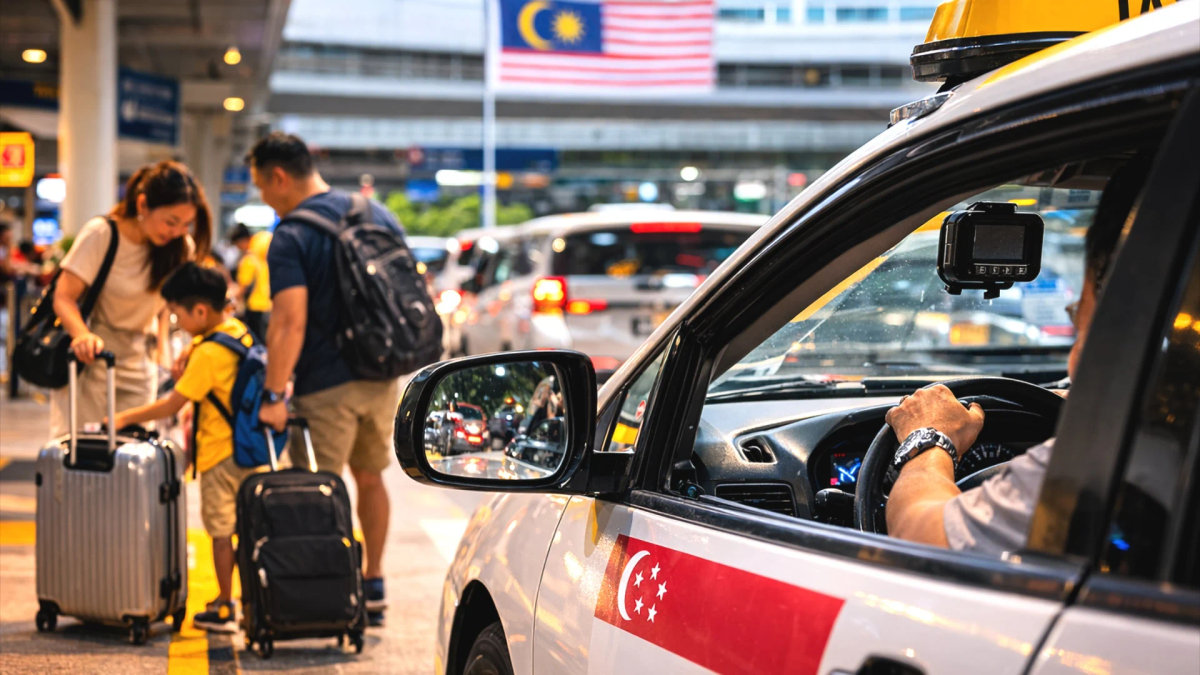
Photo: https://share.google/BYbAVSAgIxDIPSIrf source
Although Singapore enforces strict taxi regulations, some drivers may take longer routes to inflate meter fares or refuse to use the meter altogether, especially late at night or near tourist hotspots. Always check the meter: Ensure the meter is turned on and that the correct fare is being charged. Know the route: It helps to have a basic idea of the route to your destination.
Scams targeting tourists: restaurants and food
Seafood restaurants, hawker centres, Boat Quay · Inflated prices, unmapped costs · Stick to known names
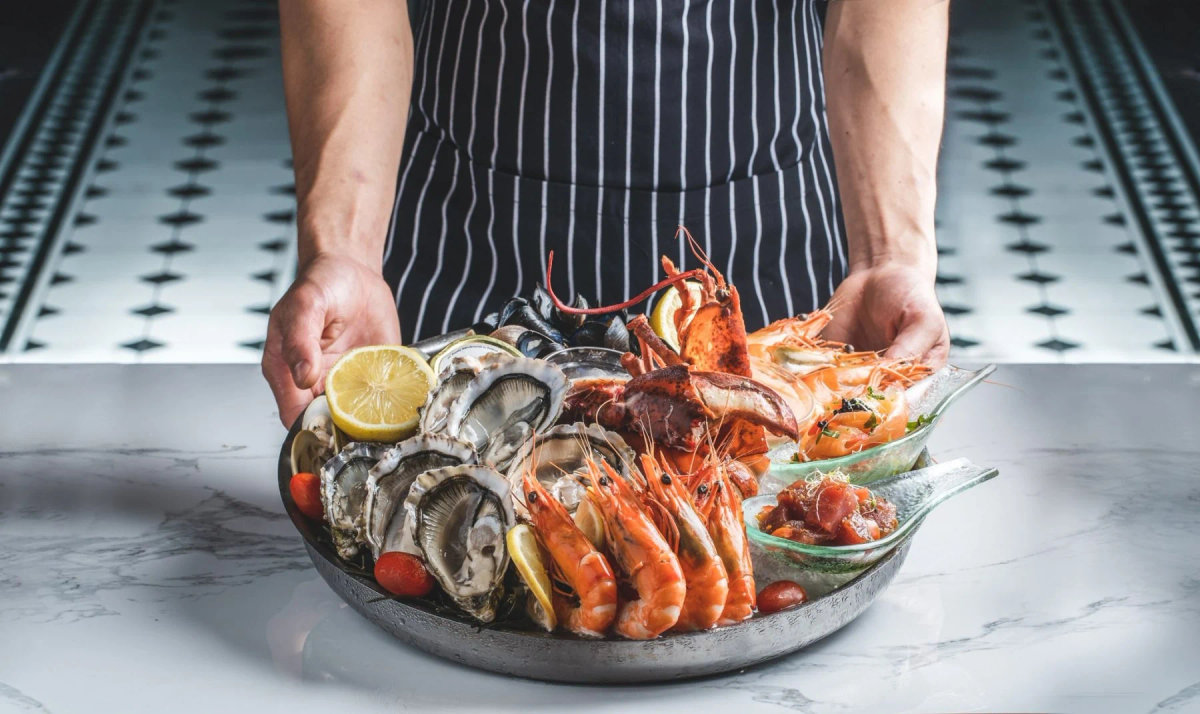
Photo: https://share.google/rRjGAlt5Fr8UsEPgD source
Restaurant scams in Singapore involve tricks (mostly around seafood at touristy areas): misleading prices, misleading portion sizes, menus without prices/not in English. One case involved being charged SGD $239 for 8 tiger prawns at Newton Food Circus Hawker Center. Choose: reputable places (use food review apps: Burpple, HungryGoWhere), avoid touts. Seafood: reputable names include Jumbo Seafood, Red House Seafood, Palm Beach Seafood, etc.
Scams targeting tourists: booking and shopping
Online platforms, fake websites · Hotels, tickets, attractions · Buy only from official sources
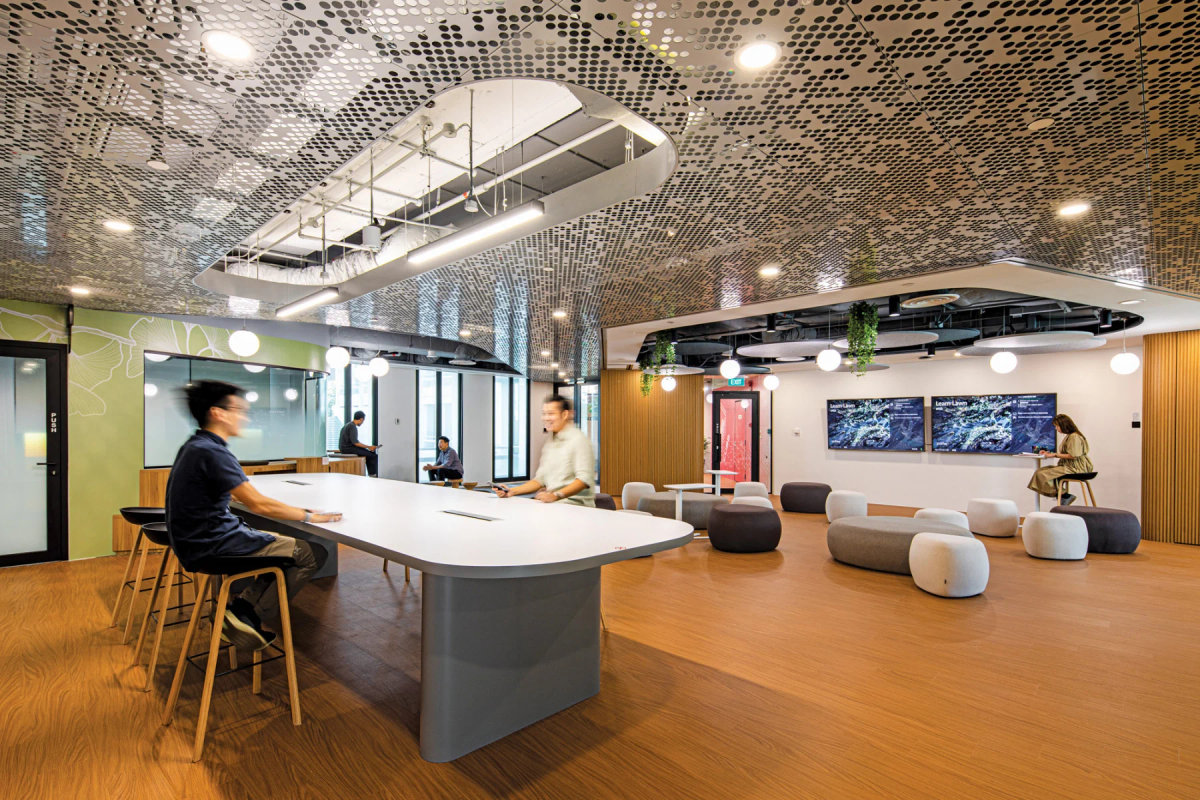
Photo: https://share.google/UF4cl8nZ5SIT7eVYY source
Fake travel websites offering luxurious tourist packages at incredibly low prices exploit Singapore's thriving tourism industry. These fraudulent websites often appear genuine, making them difficult to identify. The best way to avoid this scam is to check with the Singapore Tourism Board and the National Association of Travel Agents Singapore if a vendor is an accredited travel agent. Scan QR codes only from official sources to avoid phishing.
Pickpocketing and distraction theft
Crowded areas, shopping malls, MRT · Peak hours 10:00–16:00 · Keep valuables secured
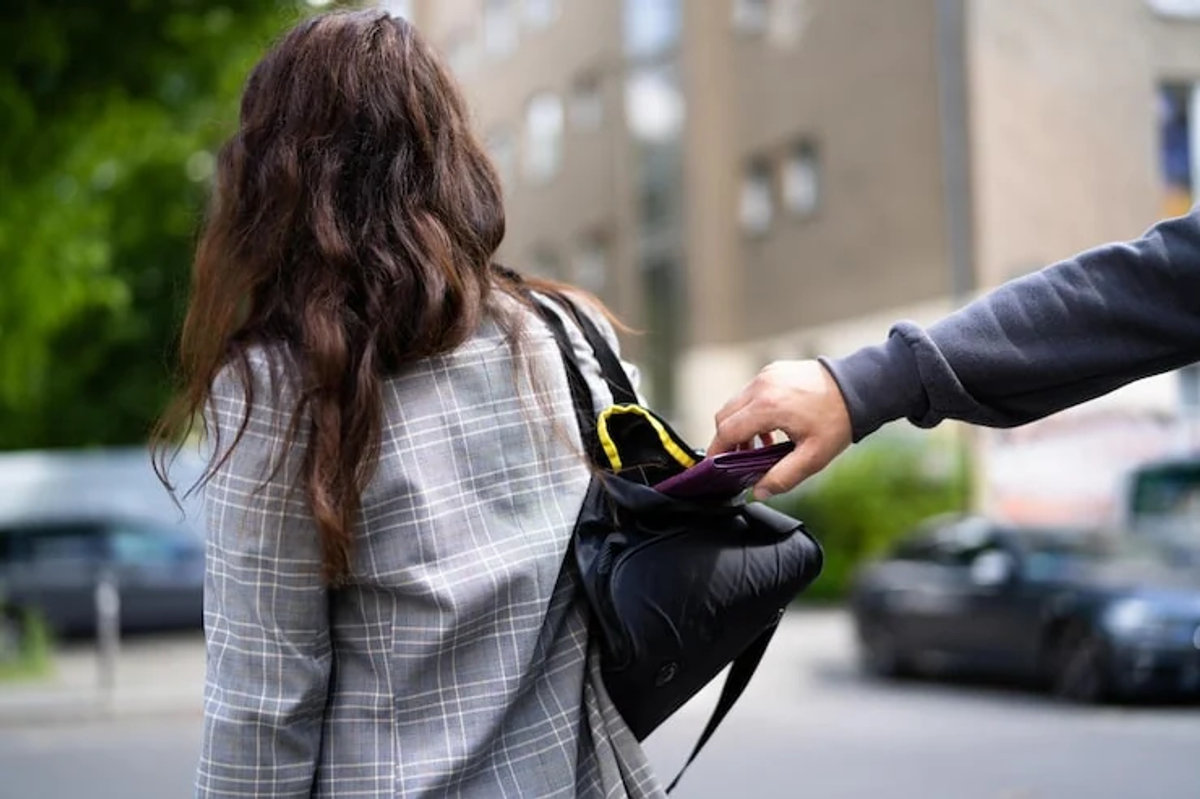
Photo: https://share.google/Bk8ip4zcUC63AssGt source
While pickpocketing is rare in Singapore, it's always wise to stay cautious in crowded places like popular tourist spots or public transport. In this scam, someone will intentionally bump into you or spill something on you, often in crowded areas like shopping malls or tourist spots. While you're distracted by the mess, the scammer might take the opportunity to snatch your belongings or wallet. Keep valuables secured and avoid displaying expensive electronics or jewelry conspicuously.
Local laws and rules you cannot ignore
Singapore · Strict enforcement · Penalties range from fines to imprisonment
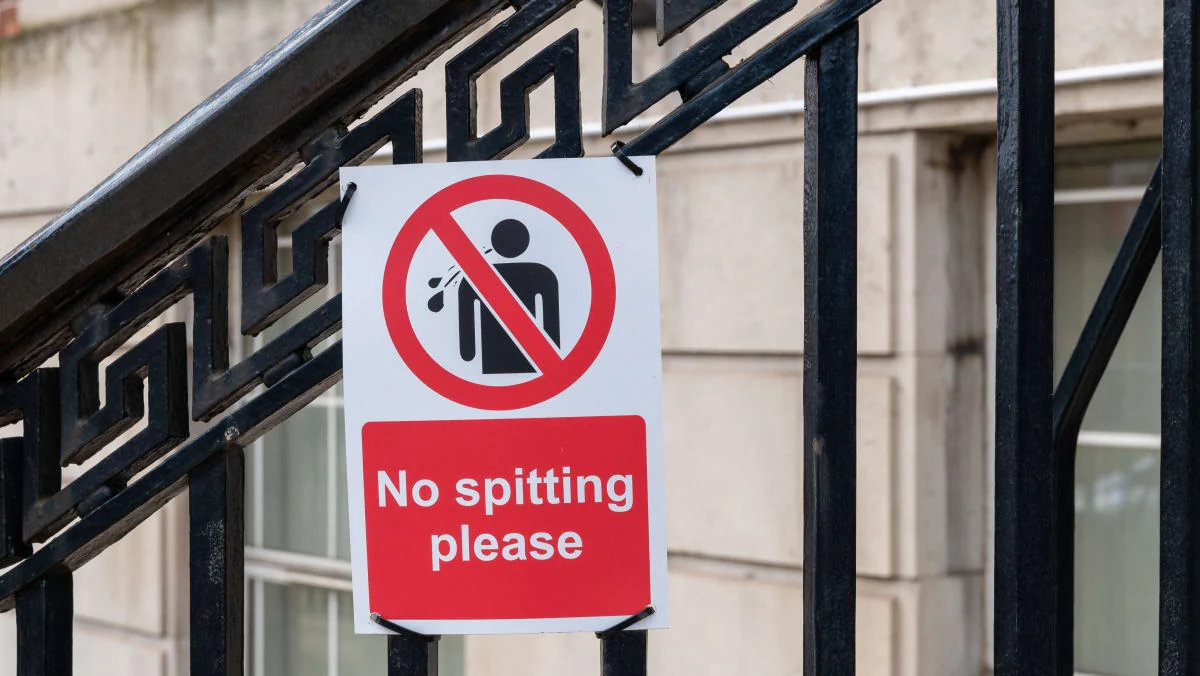
Photo: https://share.google/neYnFQbbSvcNlpk77 source
Travelers should be aware of the following penalties for certain crimes in Singapore: Jaywalking, littering, or spitting - possible arrest. Vandalism - mandatory caning (a form of physical punishment). Don't get drunk and disorderly – it's a crime! Having a few drinks is fine, but going wild MAY get you arrested, imprisoned and/or caned. Dress modestly, covering your shoulders and knees, especially when visiting temples or mosques. Follow any posted dress codes. Avoid littering, as it can incur severe fines.
Emergency contacts and reporting
Singapore · Police, ambulance, and crisis helplines · 24/7 multilingual support
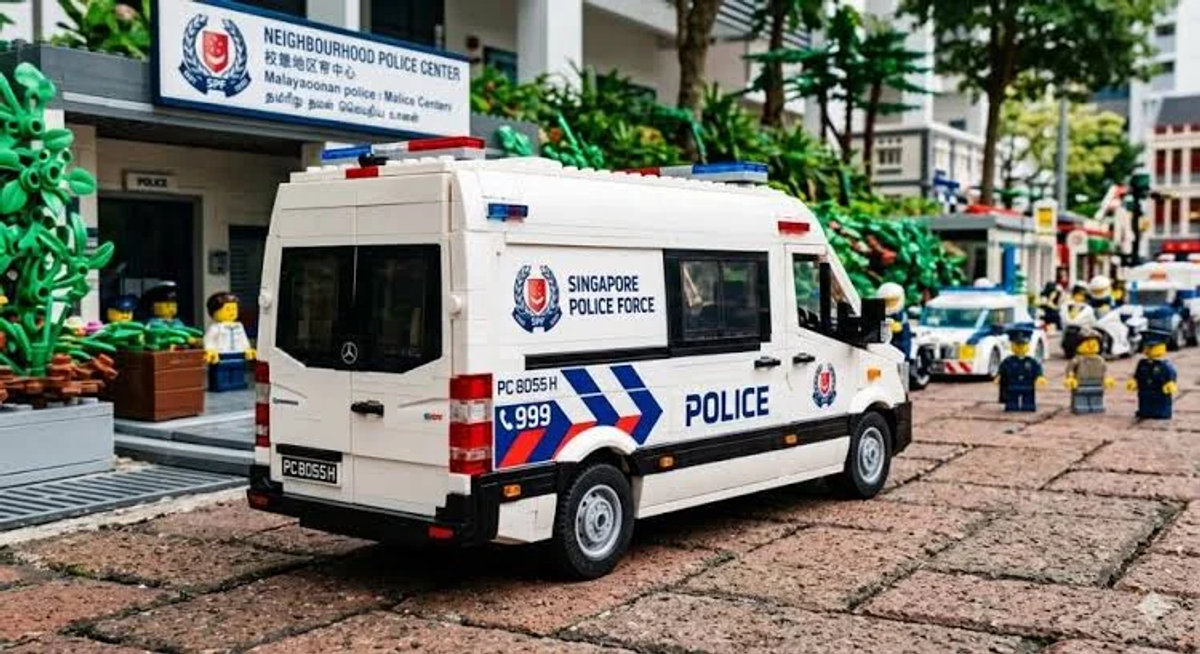
Photo: https://share.google/6t9cZ2Tj21x3bPaGy source
Emergency numbers: Police 999, Ambulance 995. For immediate police assistance call 999, or 70999 for Emergency SMS. For immediate police assistance if it is not safe to talk. Call 1800-255-0000 Police Hotline to provide crime-related information to police. Call 1799 ScamShield Helpline, available 24/7 to provide assistance and support on scams. Calls to 995 and 999 are free from mobile and landline phones. Operators are trained to handle multilingual situations common in Singapore.
Share this article
Comments
Sign in to join the conversation. Only registered users can comment.
No comments yet. Be the first.