



How to Experience Singapore Like a Local
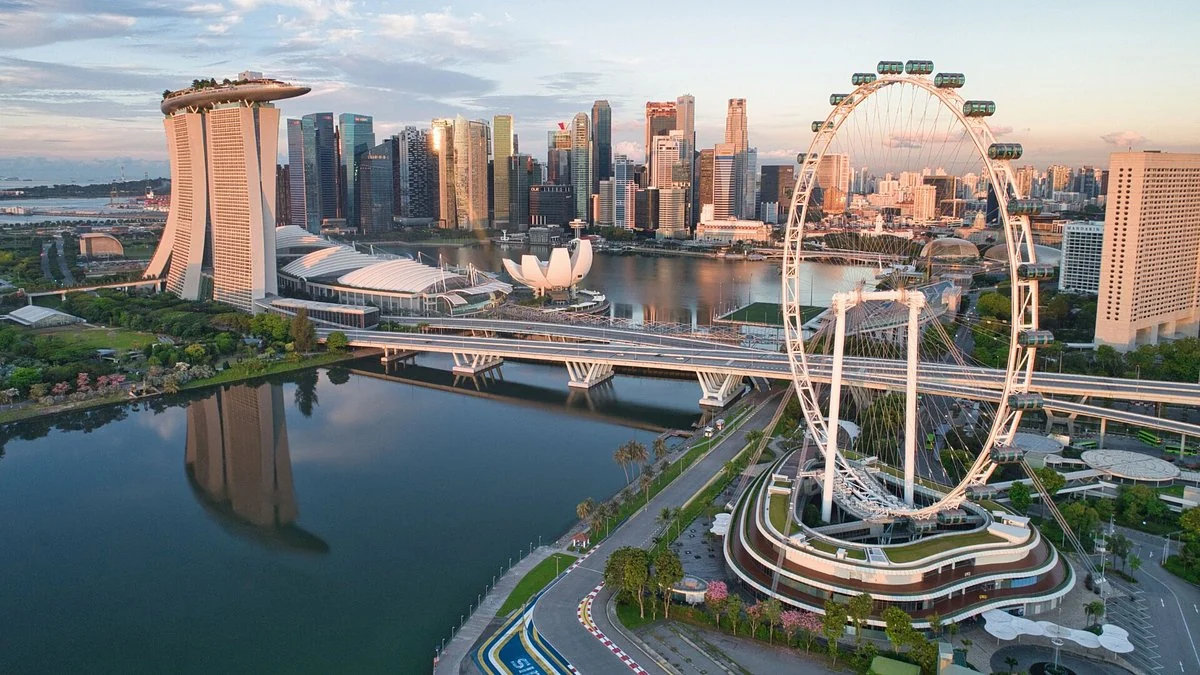
Forget the Marina Bay checklist. Locals move through the suburbs on an EZ-Link card, hunt for the best kopi, and know which hawker centre opens when.
The checklist—Merlion, Gardens by the Bay, Marina Bay Sands—gets done on a free afternoon. Locals spend their time differently. They move through the city by MRT and bus because that's what works. They eat breakfast at a kopitiam, lunch at a hawker centre, drinks in a neighbourhood that makes sense for where they live. They've mapped the best stall in each food centre, know which one opens early, which serves until late. They avoid Pagoda Street. They know that Chinatown beats itself only by ducking into Amoy Street or Duxton Hill. They hunt for kopi in places aunties and uncles have found already, reserve seats with tissue packets, eat standing in the rain if they must. This is not a guide to sights. It's how your neighbour would spend a week.
Get an EZ-Link Card
All MRT and bus stations · Transport payment · Costs S$12 with S$7 usable balance
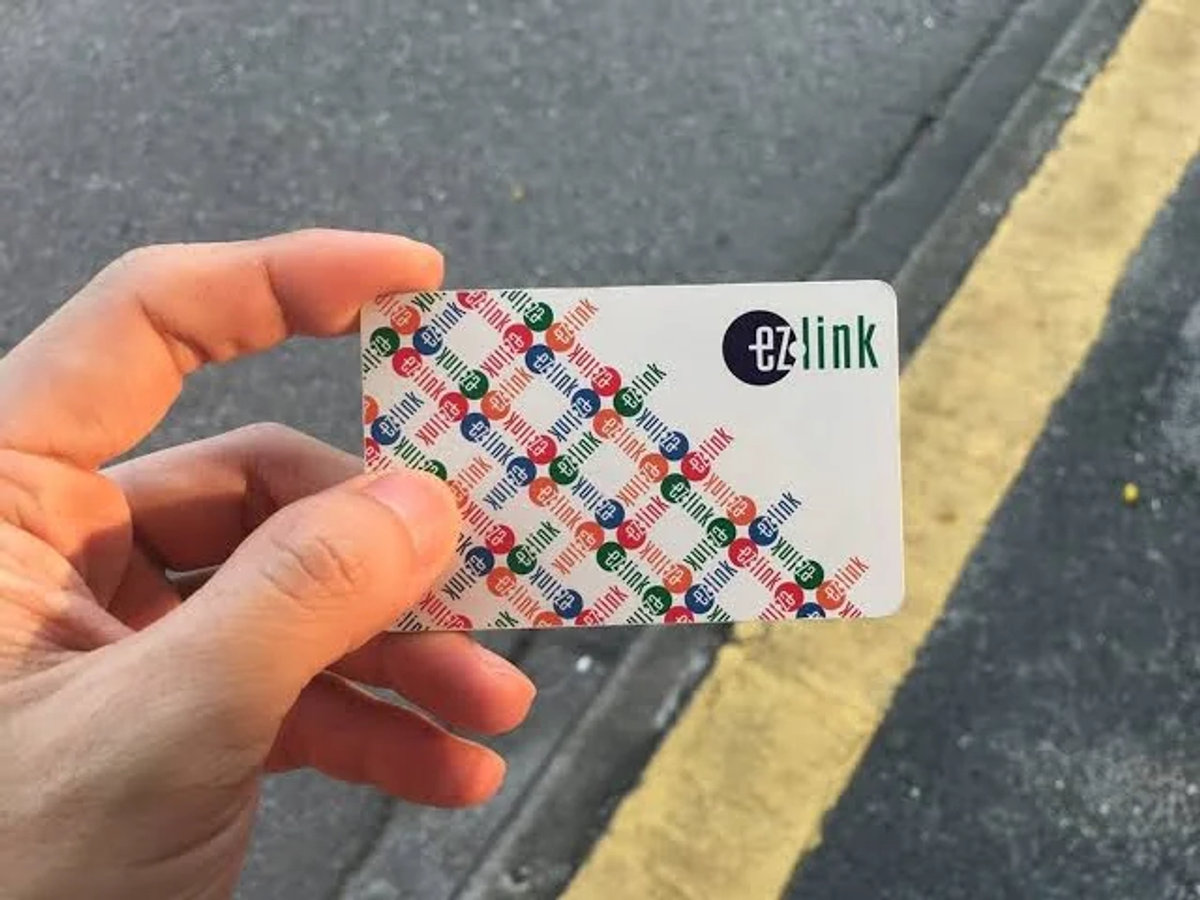
Photo: https://share.google/kk5uUZIKk10SxuKuL source
The EZ-Link is Singapore's prepaid card for trains, buses and taxis, letting you commute exactly like locals do. The card works as a smart contactless system for transportation, shopping, food, and even gyms. Tap at entry and exit gates when boarding. Buy it at any MRT or LRT station ticket office, or at convenience stores like 7-Eleven. The card offers discounted fares compared to cash, saving money as you explore.
Breakfast at a Kopitiam
Across all neighbourhoods · Traditional coffee shops · 6am-11am peak hours
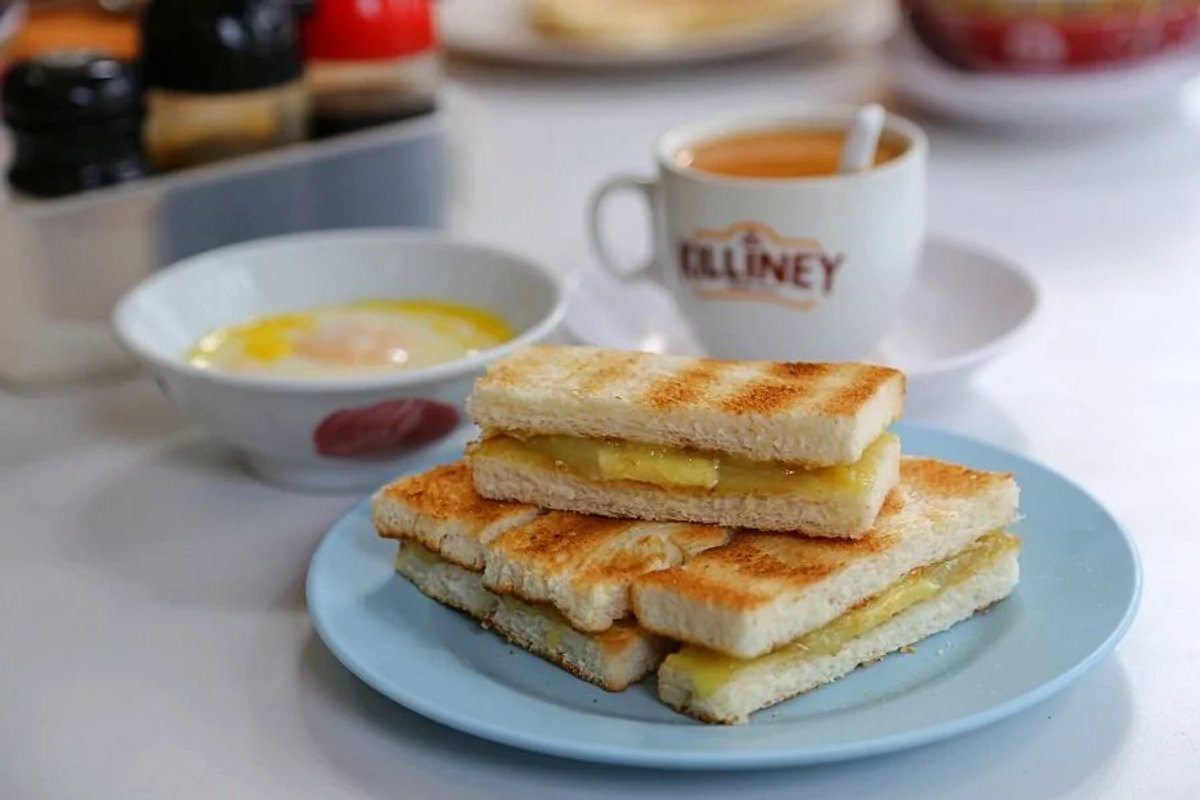
Photo: https://share.google/jbRvs6eBUBQtvd2uA source
A kopitiam is where a typical drink stall sells kopi (coffee), teh (tea), milo and soft drinks alongside kaya toast and soft-boiled eggs. Kopi is brewed through a cloth filter with robusta beans roasted with sugar and margarine, giving it a rich, punchy, smoky flavour. Early morning fills the kopitiam with aunties, uncles, office workers and students, ceramic cups clinking and spoons ringing against glass. Sit at any table. Order by yelling. Nobody minds.
Learn the Hawker Centre Map
Over 100 across the island · Open-air food courts · Lunch 11:30am-1:30pm, dinner 5:30pm-8pm
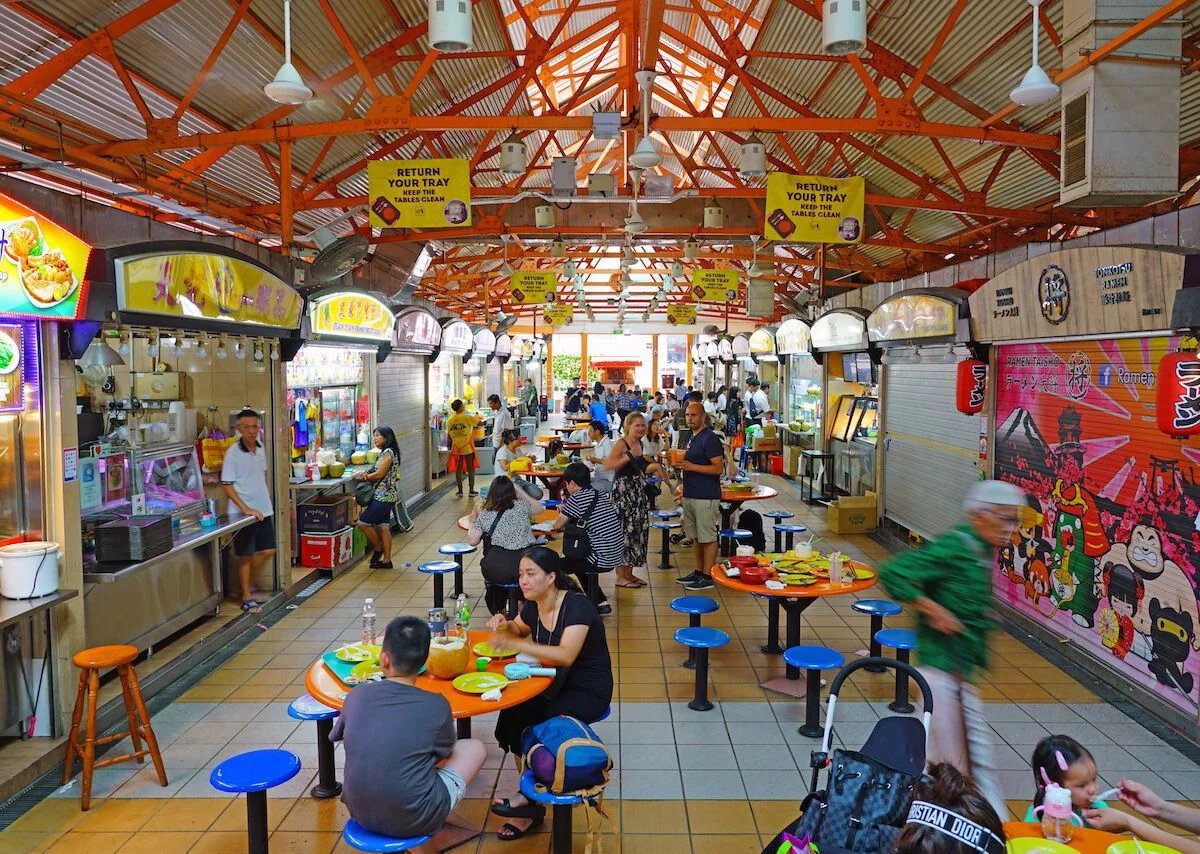
Photo: https://share.google/vtdkey3xBmIEwVVVz source
A hawker centre is an organised open-air food court packed with stalls serving affordable, high-quality dishes from diverse ethnic traditions: Chinese, Malay, Indian, Peranakan and more. Maxwell Food Centre is central, fairly compact, and packed with stalls locals already know by name, and even with tourist popularity attracts a steady local crowd with familiar, reliable, easy-to-approach food. Locals 'chope' (reserve) seats before ordering by placing tissues or personal items on the table. Return your tray after eating—since 2021 this is enforced, with fines up to SGD 300 for non-compliance.
Chinatown Minus the Main Street
Amoy Street, Duxton Hill, Boon Tat Street · Mixed cuisine, heritage shophouses, bars · Weekday visits better than weekends

Photo: https://share.google/MBrgoVosnBz3Q4Kt3 source
Parts of Chinatown are touristy, especially Pagoda Street, but locals prefer hanging out a few streets away at Amoy Street, Boon Tat Street and Duxton Hill where it's much less touristy with standalone cafes, bars and restaurants. The area has multiple hawker centres like Maxwell and Chinatown Complex where locals eat quick, affordable, delicious meals—everything from chicken rice and wanton noodle soup to nasi lemak at reasonable prices. Smith Street's satay scene is fun but overpriced; locals go to Lau Pa Sat instead.
Explore the Peranakan Precinct: Katong & Joo Chiat
East Coast · Pastel shophouses, hawker centres, independent cafes · Afternoon stroll ideal
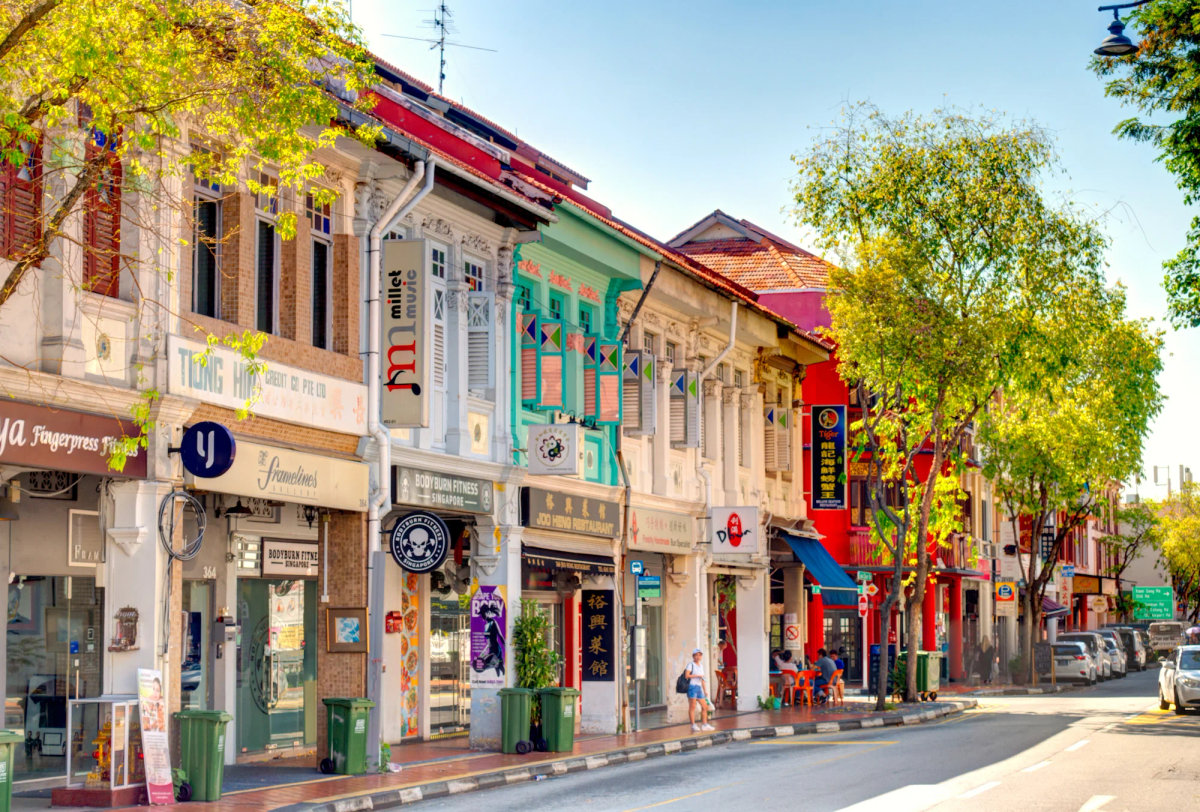
Photo: https://share.google/jTojQJUGCiDcmCbV6 source
Katong and Joo Chiat are adjoining neighbourhoods that feel a world away from downtown; you're still close to the action via MRT or taxi, but Katong offers a slower pace, pastel buildings most famously on Koon Seng Road, and a real sense of local life with residents going about daily routines, kids weaving past Peranakan row houses after school, and the steady hum of conversation from hawker centres and coffee shops. Joo Chiat Road has craft beer at places like Cider Pit and The Tuckshop, or try Vietnamese restaurants for delicious affordable meals.
Kampong Glam: Malay & Muslim Heritage
Arab Street, Haji Lane · Nasi padang, Turkish kebabs, indie boutiques, street art · Evenings busier than days

Photo: https://share.google/Gn8HPhQCb1jpGwFmc source
Kampong Glam is where heritage and creativity meet, one of Singapore's most vibrant neighbourhoods that leans into the city's multicultural roots and has long been a centre for Malay and Muslim communities. You'll find the golden dome of the Sultan Mosque over pastel shophouses and a mix of restaurants pulling influence from across the region, from nasi padang to Turkish kebabs. Haji Lane and Bali Lane are narrow streets full of cute shops, quirky cafes and cool bars; the vibe changes completely from day to night, going from mostly shops and cafes to trendy bars and live music.
Catch Drinks at a Neighbourhood Pub
Scattered across suburbs · Cheap beer, regulars, sports on TV · 5pm-midnight

Photo: https://share.google/LI1veEzF946GUv2R7 source
Neighbourhood pubs are where you head when you want to crack open a beer with buddies—the best part is wearing slippers and shorts without being judged. Prince of Wales sticks true to its Aussie roots with affordable craft beers, live music, weekly quiz nights, and a laid-back clientele of backpackers and locals alike. The Tuckshop has patrons about 70 per cent Singaporeans and 30 per cent expatriates, with residents in the area getting a 5 to 10 per cent discount. Regulars will know you by the third visit.
Take the Long Walk Through Geylang
Lorong 1 to Lorong 40 · Night markets, street food, Peranakan buildings · Best after 7pm
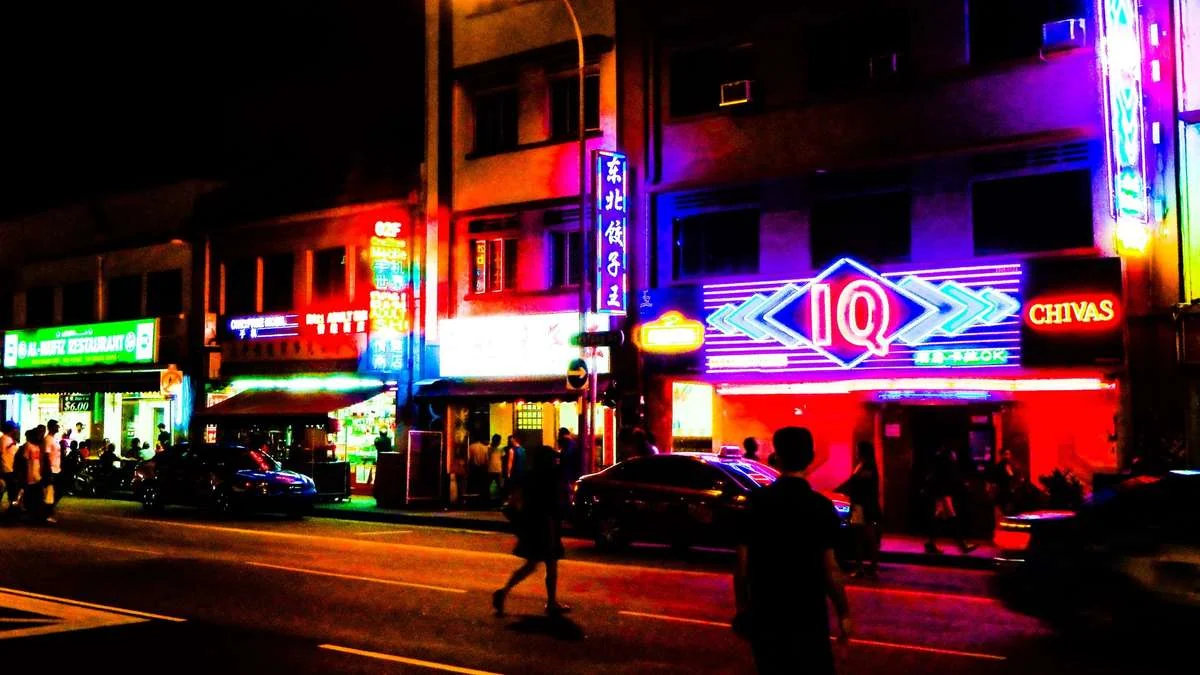
Photo: https://share.google/BgLDEBA0kXG8vfnoq source
Historic Geylang is filled with restored shophouses and traditional eateries where old meets new. The stretch sprawls into the evening as night markets open and the smell of char kway teow and satay hangs thick. Locals walk here to eat, not to be seen. Treat each lorong as its own village—stop at stalls with queues, skip the ones that are empty. The rhythm of the place is in the pace, not the destination.
Shop Wet Markets Early
Neighbourhood markets, 6am-12pm · Fresh produce, fish, meat · Quietest before 9am

Photo: https://share.google/DwiC8q0ceKmTSlExA source
A walk through the neighbourhood will show locals at the wet market doing their daily shopping, grabbing a coffee at a cafe, or meeting up with friends. These aren't attractions—they're where residents source daily meals. The energy shifts at 9am when office workers clear out. Stay for breakfast at one of the food stalls tucked inside. Watch how people move through the space without hurrying. Pick up fruits, watch the vendors pack fish, let the chaos of morning commerce unfold around you.
Discover the Suburbs: Tiong Bahru
Tiong Bahru Road, cross the MRT ring · Art deco shophouses, independent coffee roasters, young creatives · Daytime neighbourhood feel

Photo: https://share.google/YwEwuoHC7CkMtnvu9 source
Tiong Bahru is one of Singapore's trendiest and most historic neighbourhoods with a local hawker spot serving some of the best food in the city. Enjoy coffee with local roasters in Tiong Bahru's historic shophouses, discover the constantly changing street art and independent shops with the artists themselves. This is where young Singaporeans actually live—not a tour stop, but a real neighbourhood where rents are still reasonable and the Saturday morning pace feels human. Grab coffee from a local roaster, sit in a shophouse, watch the island's creative class build something real.
Share this article
Comments
Sign in to join the conversation. Only registered users can comment.
No comments yet. Be the first.