



15 Singapore Tourist Mistakes and How to Avoid Them
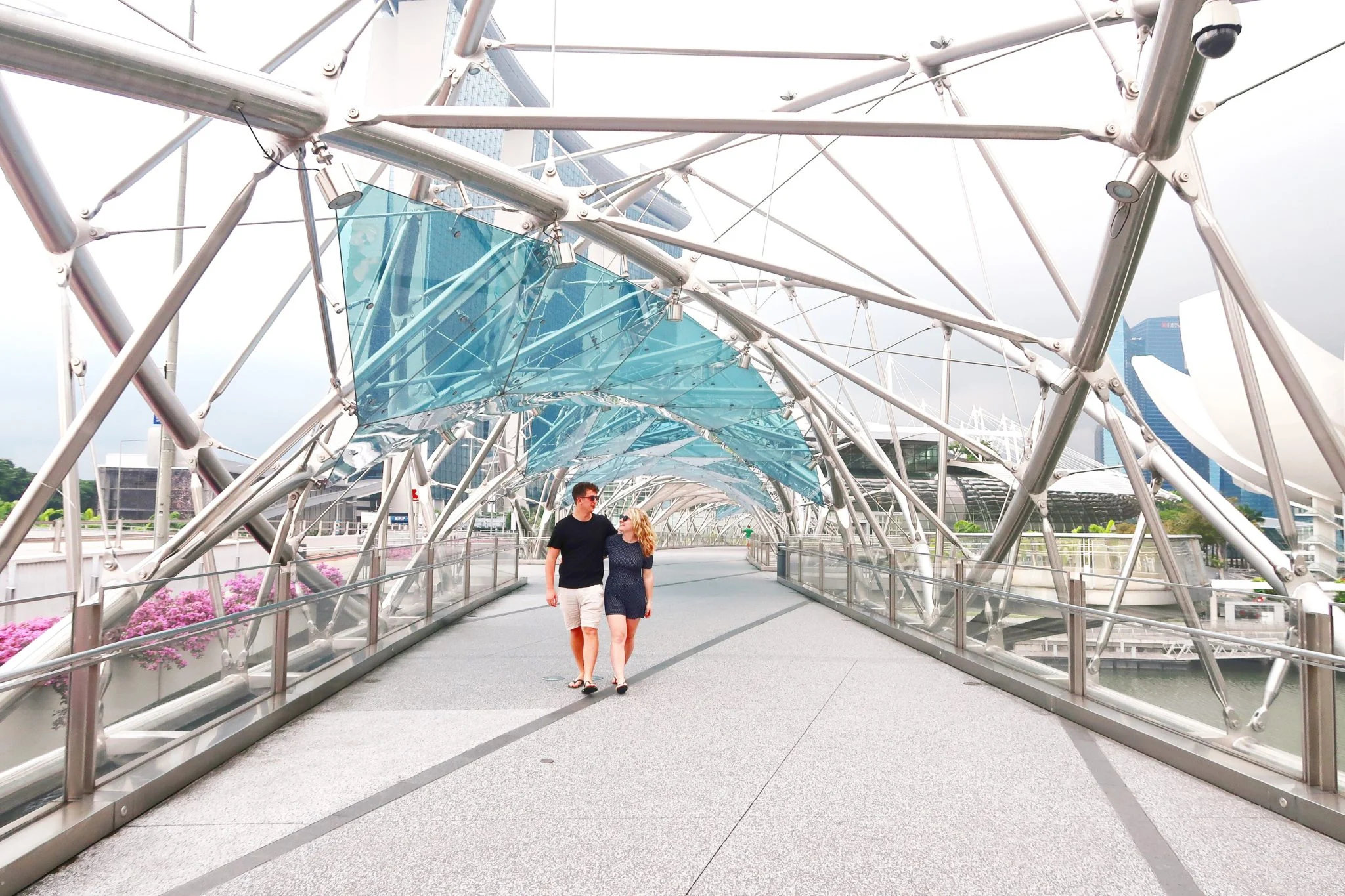
The polished surface hides rhythms, etiquette, and rules that catch first-timers off guard—and some come with fines.
Singapore looks easy. The skyline gleams, the trains run on time, the streets are spotless. Most tourists arrive assuming a smooth ride, and that assumption is exactly where they go wrong. Beneath the efficiency lies a city with strict rules, unspoken dining customs, climate conditions most visitors underestimate, and pricing structures that shift drastically depending on where you eat and how you move. First-time visitors tend to hit the same mistakes: booking attractions last-minute, not filling out immigration forms until the day of arrival, packing winter clothes for tropical heat, riding the MRT during rush hour, eating only at hotel restaurants, breaking laws out of ignorance, and underestimating how far apart "close" attractions really are.
This list is ordered by where mistakes typically occur in your trip—from the moment you plan it through the hours you spend moving around the city. Some will cost you money, others time or comfort, a few could cost you a fine. The specifics matter here: exact hours, exact laws, exact prices, because Singapore is not a city that lets mistakes slide.
Not filling out the SG Arrival Card until you land
Online before arrival · Immigration · 3 days before entry

Photo: https://share.google/JygEg1QWOZNUVnlWd source
The Singapore Arrival Card (SGAC) is a free, mandatory digital immigration form that all foreign visitors must submit online within 3 days before entering Singapore. Most visitors hear about this at check-in or skip it entirely. The form takes approximately 5–10 minutes to complete, but doing it on your phone from the airport queue wastes time at immigration and risks delays when the system is slow. Submit it through the official portal at eservices.ica.gov.sg or the MyICA mobile app before you board. It takes five minutes now or forty minutes later, your choice.
Booking major attractions without advance tickets
All attractions · Ticketing · Book 3–5 days ahead
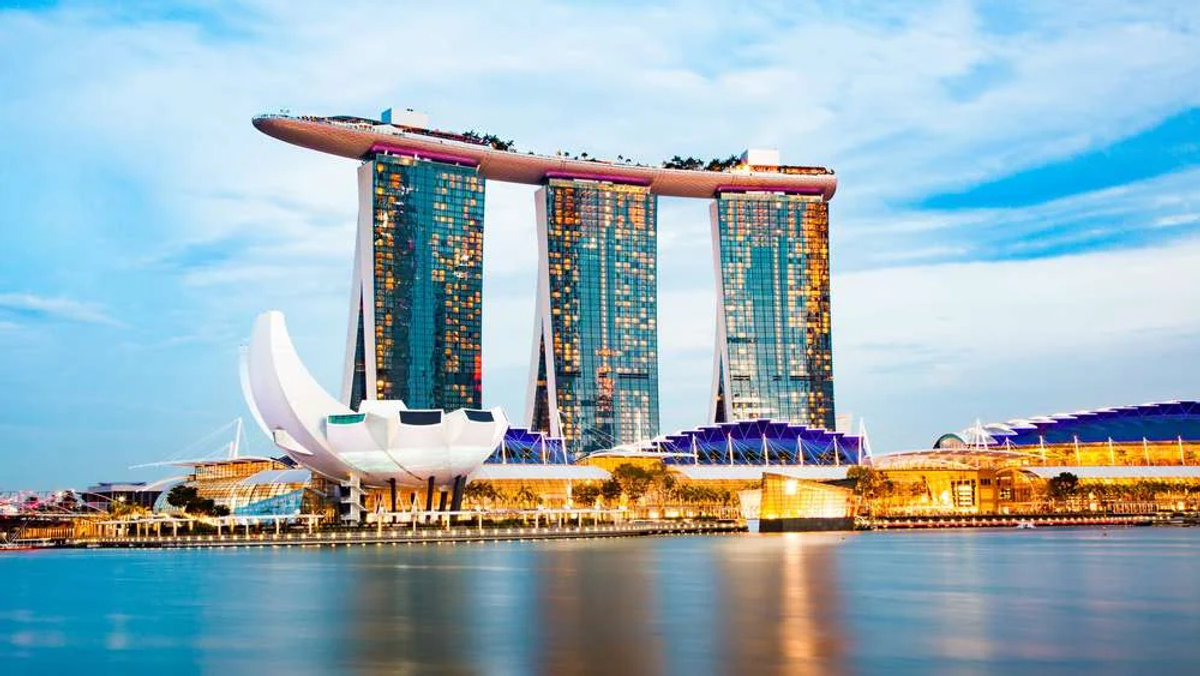
Photo: https://share.google/7VHZs7f8nk2w17FZl source
Popular attractions like Universal Studios Singapore, Gardens by the Bay, Night Safari, and Wings of Time often sell out during weekends, school holidays, and peak travel seasons. This isn't a might—it's a guarantee. Showing up at the gate and hoping for afternoon slots means either a 90-minute queue or a closed-gates experience. Book tickets online at least 3–5 days in advance. The price doesn't rise for last-minute bookings; you simply lose the option to go at all.
Packing winter jackets and heavy layers
Luggage · Clothing · Hot, humid year-round

Photo: https://share.google/dYGl9UvIBciqQLPII source
Singapore's weather doesn't change much — it's hot, humid, and tropical all year. Many travelers mistakenly pack winter jackets, heavy boots, or layers they'll never use. The real problem isn't temperature—it's humidity. First-time visitors often think Singapore's heat is similar to Indian summers. But it's not the same — humidity makes it feel hotter and stickier. Pack lightweight clothes and a small umbrella; a scarf also tames Singapore's icy indoor AC. You'll sweat during the day and shiver in restaurants with aggressive air conditioning. Bring one scarf, light cotton everything else.
Cramming too many attractions into one day
Itinerary planning · Timing · Distances longer than they appear
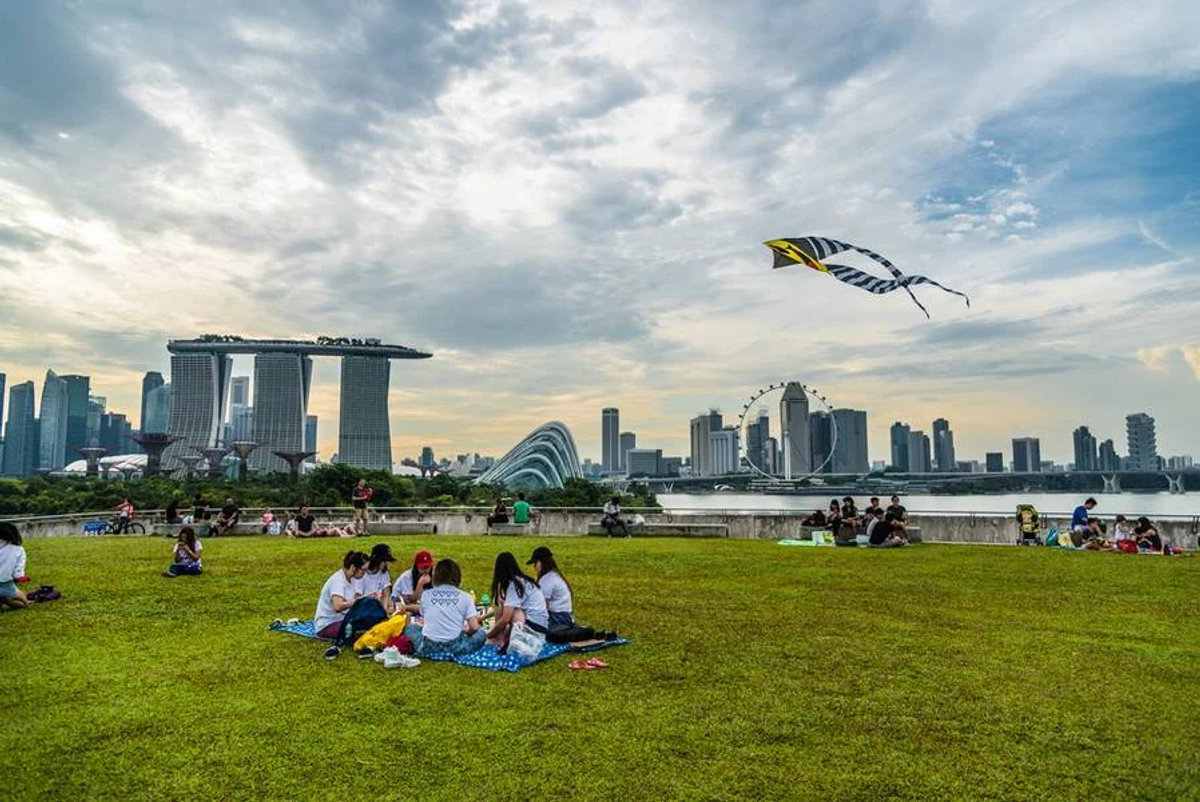
Photo: https://share.google/EOBIyS6dwNQL8n8fK source
A morning at Sentosa, an afternoon in Gardens by the Bay, and an evening in Changi's Jewel may look manageable on paper, yet travel times, queues, and walking distances can quickly eat into your schedule. Many visitors underestimate how much time is spent transitioning between districts. Even with Singapore's exceptional public transportation system, moving from one side of the island to another can take longer than expected. The island is compact on a map but districts are spread. Build in buffer time or watch one attraction disappear from your itinerary for lack of daylight.
Riding the MRT during peak hours
Transport · Timing · 7:30–8:30 AM and 5:00–7:00 PM weekdays
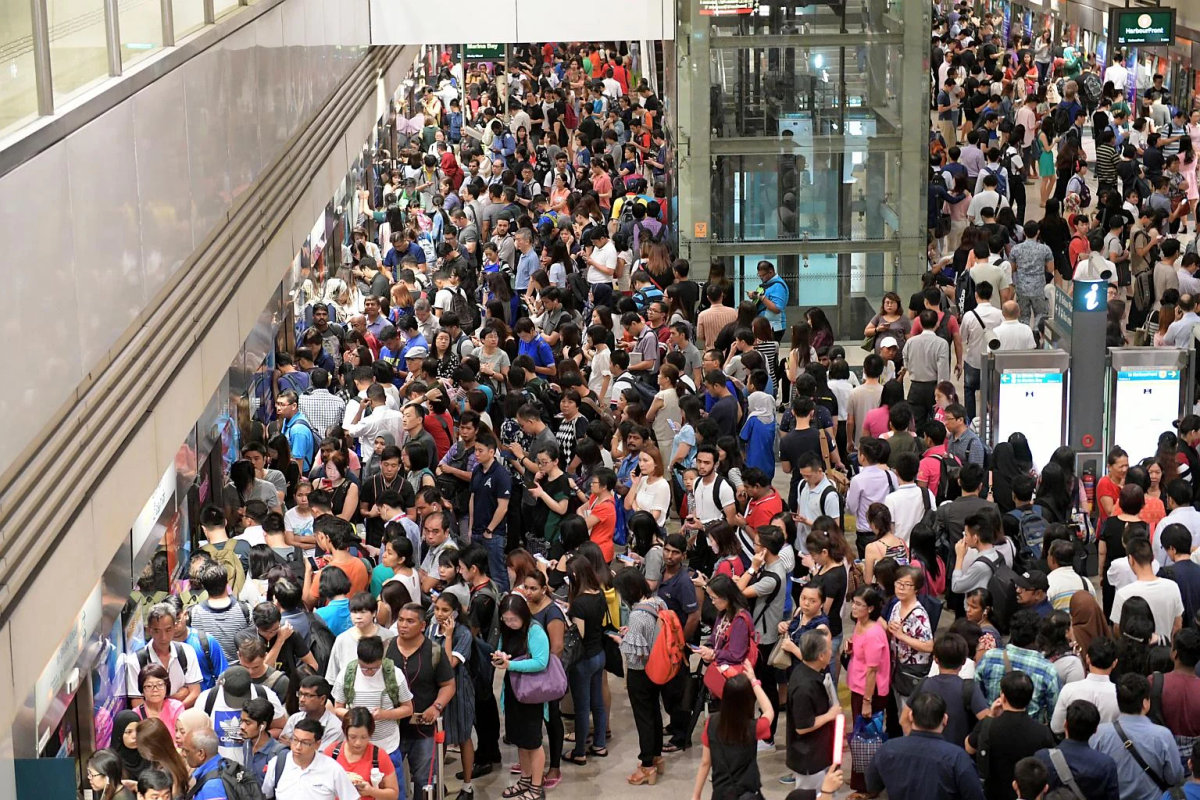
Photo: https://share.google/U4S30lo3kWJQtynXT source
Weekday morning peak hours (7:30 AM to 8:30 AM) are incredibly crowded, especially at major interchanges like Jurong East and Bishan. Evening rush is worse. If you're a solo traveler or traveling with someone you want to enjoy time with, don't book attractions that require morning departure. The 'Golden Window' is 10:00 AM to 4:00 PM, when the trains are cool and you can actually breathe. If you must travel before 9:30 AM, expect bodies pressed against you and no seats.
Not understanding the 'chope' culture at hawker centres
Hawker centres · Dining etiquette · Packet of tissues reserves a seat
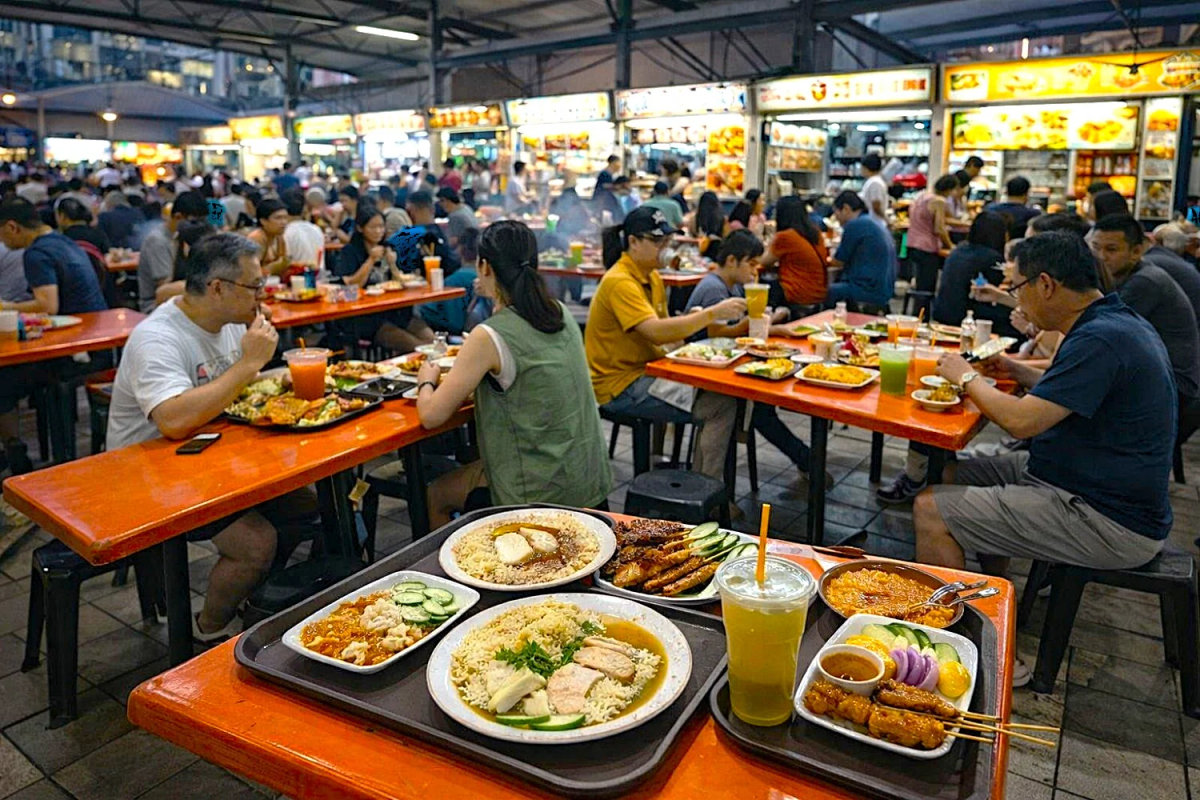
Photo: https://share.google/X9koP4dtfAfOlvuNM source
Spot a tissue packet or umbrella on a hawker-center seat – that's the local 'chope-ing' system. This is how locals reserve tables before ordering food. If you sit in a seat with a tissue packet on it, you will move or be asked to move by the person who placed it. This isn't aggressive—it's the system. Don't fight it. Either chope a seat first with your own tissue packet, then order, or stand and wait. The alternative is looking like a tourist who doesn't know the rules and having an uncomfortable moment with someone returning from the noodle stall.
Paying tourist prices at Maxwell and Lau Pa Sat
Hawker centres · Food costs · SGD 5.50–8 at Maxwell vs SGD 4.50–6 in heartlands

Photo: https://share.google/7zmTE4qHXzuzbYXYa source
Hawker prices vary significantly between tourist-heavy centres (Maxwell Food Centre, Lau Pa Sat) and heartland HDB estate hawker centres. A plate of chicken rice at Maxwell costs SGD 5.50–8 in 2026. The same dish at a heartland kopitiam in Bedok or Clementi costs SGD 4.50–6. These aren't hidden—they're literally across the MRT line. Maxwell is excellent, but it's not cheaper, and you're eating shoulder-to-shoulder with phones out. Move one stop on the train and eat like a local for less.
Bringing chewing gum or vaping devices through customs
Customs · Prohibited items · Import illegal
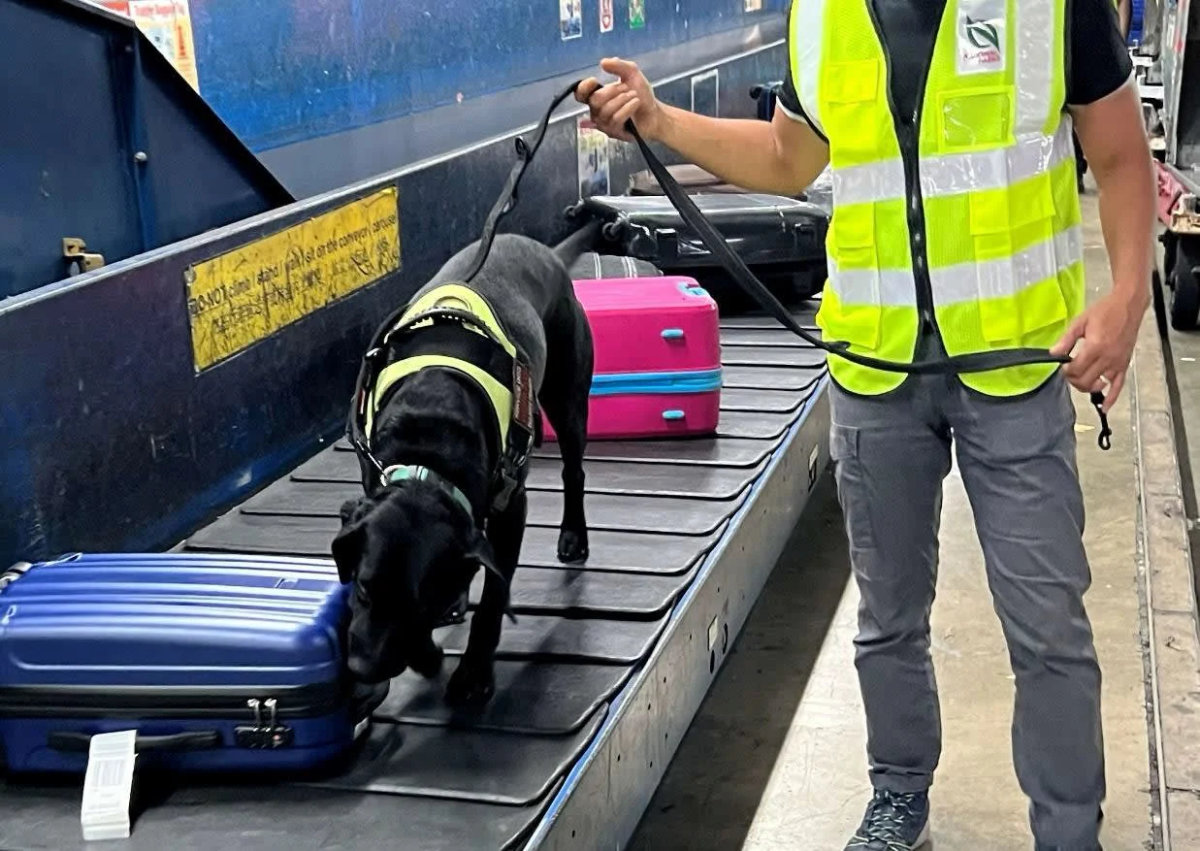
Photo: https://share.google/nl8KrEcmHeD1nMvOG source
Chewing gum is illegal to import or sell without a medical reason. This isn't a grey area or a fine you pay. It's confiscation at customs, and if you've packed a multi-pack, questions that waste hours. Vaping is completely illegal. Singapore has intensified its crackdown. Possession of an e-vaporizer can lead to an on-the-spot fine of $700 SGD, and repeat offenders may face deportation. Don't risk it. Check your luggage. Check the pockets of jackets you're packing. Clear your vape from the carry-on bag.
Eating or drinking on the MRT
Public transport · Prohibited behaviour · Illegal and fined

Photo: https://share.google/SljCGAIc3G0WMcUzw source
Eating or drinking inside MRT trains and buses is strictly prohibited. You will be told to stop by locals, transit staff, or both. It is illegal to snack while waiting for the train at the MRT or while onboard. Not only is it frowned upon by the locals, but it is illegal too. This isn't a case of stern looks—it's a €50 fine minimum, higher if someone reports you. Finish your coffee in the food court. Wait to eat the pastry until you're seated at a table or bench.
Jaywalking or crossing outside pedestrian crossings
Public spaces · Traffic laws · Fines SGD 50–1,000

Photo: https://share.google/gMthvmExhDrZAy4BZ source
Crossing the road within 50 meters of a pedestrian crossing is a crime. Fines start at $50 and go up to $1,000 or jail for repeat offenses. Singapore has thousands of AI-powered cameras watching every street. You think you'll get away with it, and then the fine arrives. The wait times at crossings aren't long—the lights move fast. Use them. Every time.
Only eating at hotel restaurants and food courts
Food · Dining options · Authentic cuisine at hawkers

Photo: https://share.google/33DrkQxm1K0q2bPhh source
Many visitors eat only at shopping malls and hotel restaurants, missing Singapore's famous hawker centres and authentic local cuisine. Visit popular hawker centres to experience local favorites like Hainanese Chicken Rice, Laksa, Satay, and Char Kway Teow. The hotel breakfast buffet is safe and forgettable. A plate of laksa from a stall with a line ten people long is why you came. Take the plunge. Ask the person eating at the next table what they're ordering if you're unsure. They'll point you right.
Wearing revealing clothing to temples and mosques
Religious sites · Dress code · Sleeved tops and covered knees required

Photo: https://share.google/yjHltpYwWmvy3Rkrh source
When visiting these establishments, dress modestly. Sleeved top, with pants or a skirt that covers your knees. This isn't optional and it's not negotiable. Modest attire is recommended in places of worship like mosques and temples. You may be denied entry or asked to leave. Bring a scarf in your day bag if you're visiting multiple neighborhoods—wrap it as a cover-up and keep moving.
Not carrying both cash and a payment card
Money · Payment methods · Hawkers need cash, malls accept cards

Photo: https://share.google/427ayEkIeZ3SQmFqH source
Cards work at malls and big sights, but hawker stalls and taxis still need cash. Singapore is moving toward cashless rapidly, but it's not there yet, and you cannot assume every stall has PayNow or a card reader. Carry both—a debit/credit card and some local cash. Withdraw SGD 100–150 at Changi Airport when you land. You'll use it all. Don't arrive at your hawker stall of choice to discover the stall doesn't take cards and the nearest ATM is a ten-minute walk away.
Not planning your itinerary in advance
Planning · Booking · Dates and times must be fixed

Photo: https://share.google/IQUdCdDMibOz0iKpi source
The first and foremost tip while planning a trip to Singapore is to plan in advance. This is by far one of the most important aspects to ensure a hassle-free and enjoyable travel experience, while successfully avoiding last-minute travel booking issues like overly expensive rates, ticket unavailability, rush hours, and limited accommodation options. Planning early allows you to choose from multiple options, secure safe spots, craft a well-thought-out itinerary. Winging it in Singapore costs money and time. Book where you're staying, write down three to five things you want to see, and block time to reach them. The flexibility you save time for is better spent discovering a neighborhood you weren't expecting.
Skipping travel insurance thinking Singapore is too safe
Insurance · Health coverage · Medical costs SGD 200+ for minor issues

Photo: https://share.google/3ZfKqznULKWRK7Z2d source
While Singapore is extremely safe, medical expenses for tourists can be costly. Even minor issues may cost SGD 200+. Safety doesn't mean you can't get sick, sprain an ankle, or need a dental emergency. Many travelers skip travel insurance, thinking Singapore is 'too safe'. Always buy travel insurance before arriving. It's cheap. A sudden toothache or food-related stomach crisis becomes a four-digit bill if you don't have coverage. The cost of insurance for a week is less than a single visit to a clinic. Get it.
Share this article
Comments
Sign in to join the conversation. Only registered users can comment.
No comments yet. Be the first.